BUILT FOR FOOD PROCESSORS. DESIGNED FOR SOLUTION PROVIDERS
Indusfood Manufacturing is India’s leading business marketplace for food & beverage manufacturing solutions — bringing together technology providers and industry decision-makers shaping the next phase of production growth.
Connect with manufacturers, technology buyers, and industry stakeholders from 50+ countries — fostering partnerships that support scalable, compliant, and export-ready production.
Matchmaking
Participate in structured, assisted B2B meetings designed to align solution providers with manufacturers evaluating operational upgrades and technology investments.
Business Focus
Drive measurable ROI through curated interactions focused on real-world manufacturing applications, efficiency, and long-term growth.
KEY HIGHLIGHTS 2026
300+
Exhibitors
11,000+
Unique Visitors
50+
Countries Represented
27,000+ sqm
Exhibition Space
1,500+
B2B Meetings
24+
Conference Sessions
100+
Industry Speakers
Exhibitor Zones
Solution-Led Marketplaces for Food Manufacturing
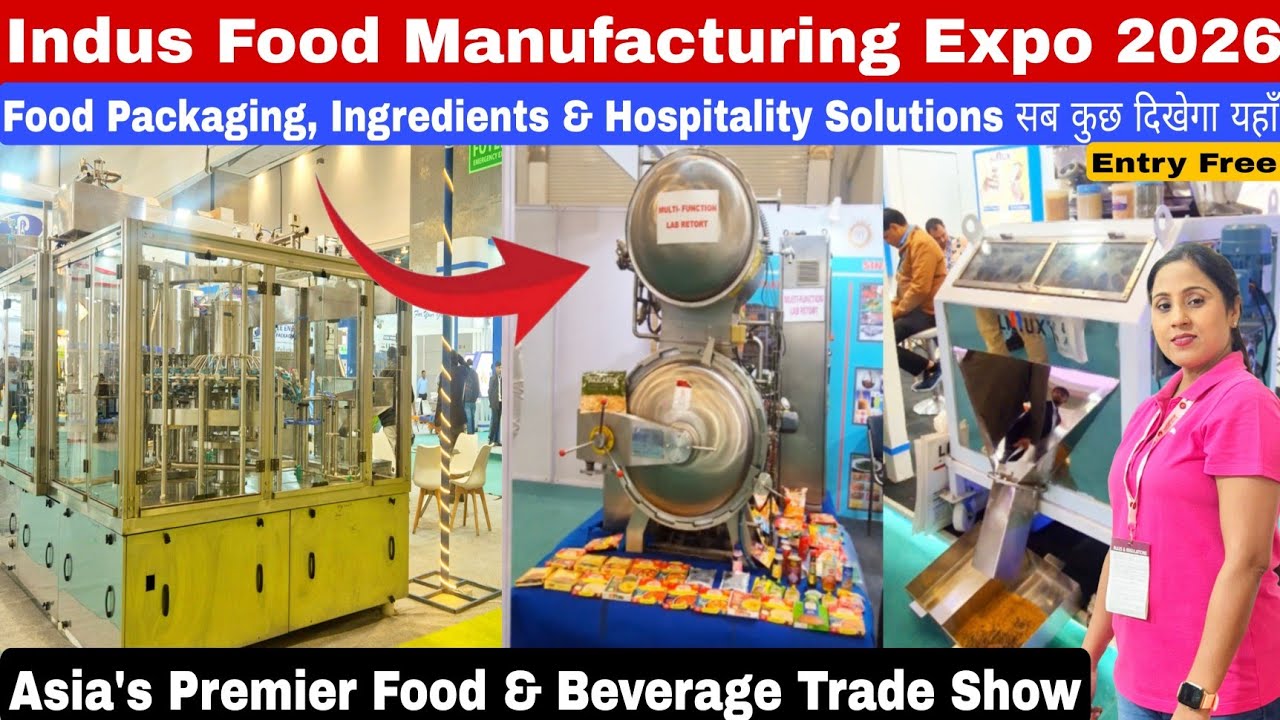
Indusfood Manufacturing brings together processing technology, packaging, automation, ingredients, and digital solutions — creating a platform where food processors discover solutions to scale efficiently.
SPONSORSHIP OPPORTUNITIES AT INDUSFOOD MANUFACTURING
Position your brand alongside industry leaders driving manufacturing transformation.Sponsorship opportunities offer enhanced visibility, thought-leadership platforms, and direct engagement with senior industry stakeholders evaluating technology and strategic partnerships.
Access curated insights, expert perspectives, and industry developments influencing food & beverage production globally.
Explore articles, interviews, and thought leadership covering automation, digital transformation, compliance, efficiency, and sustainable manufacturing practices.
Indusfood Manufacturing 2026 & FoodTech 4.0 Opens at ...
Gallery
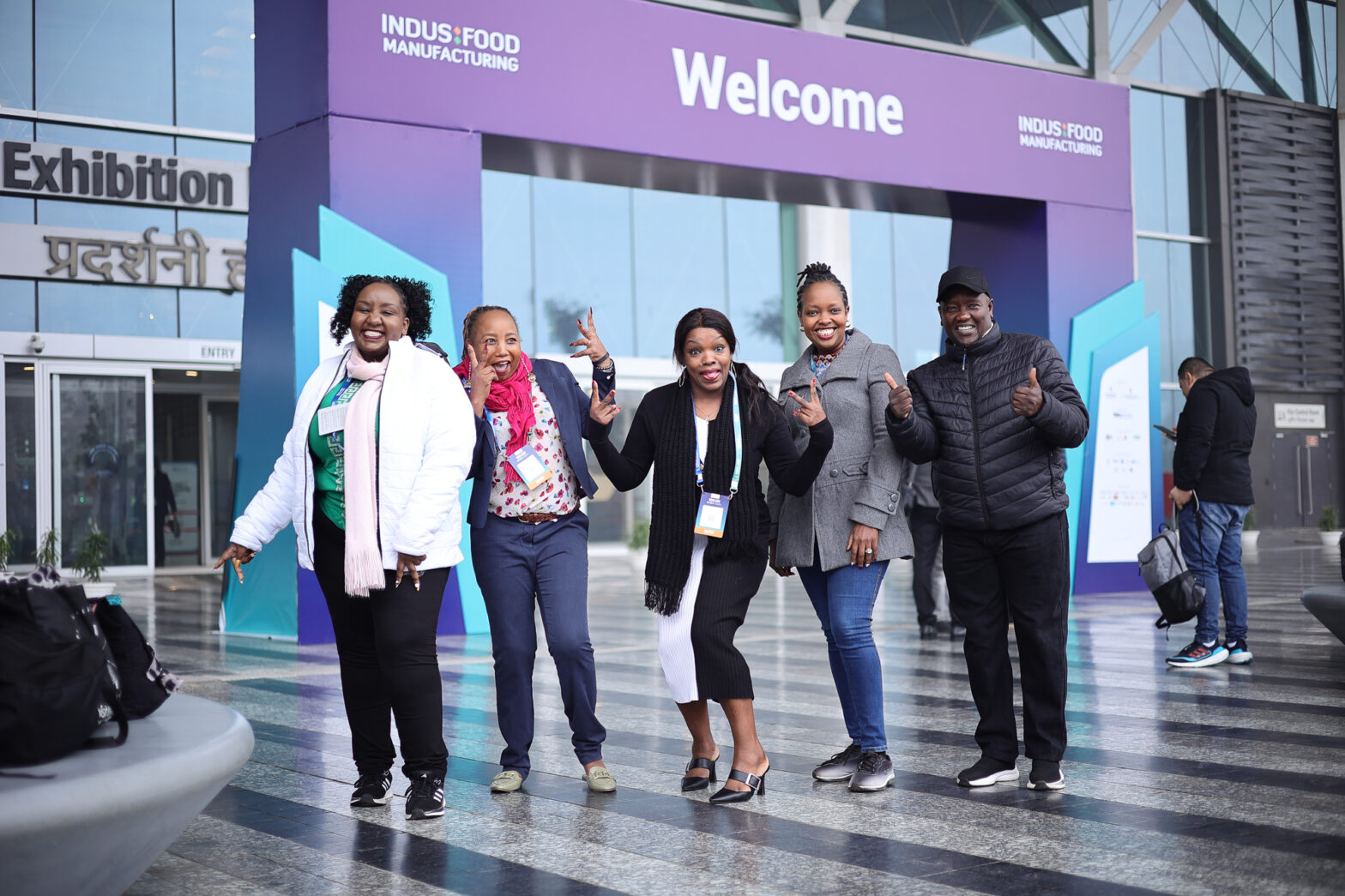
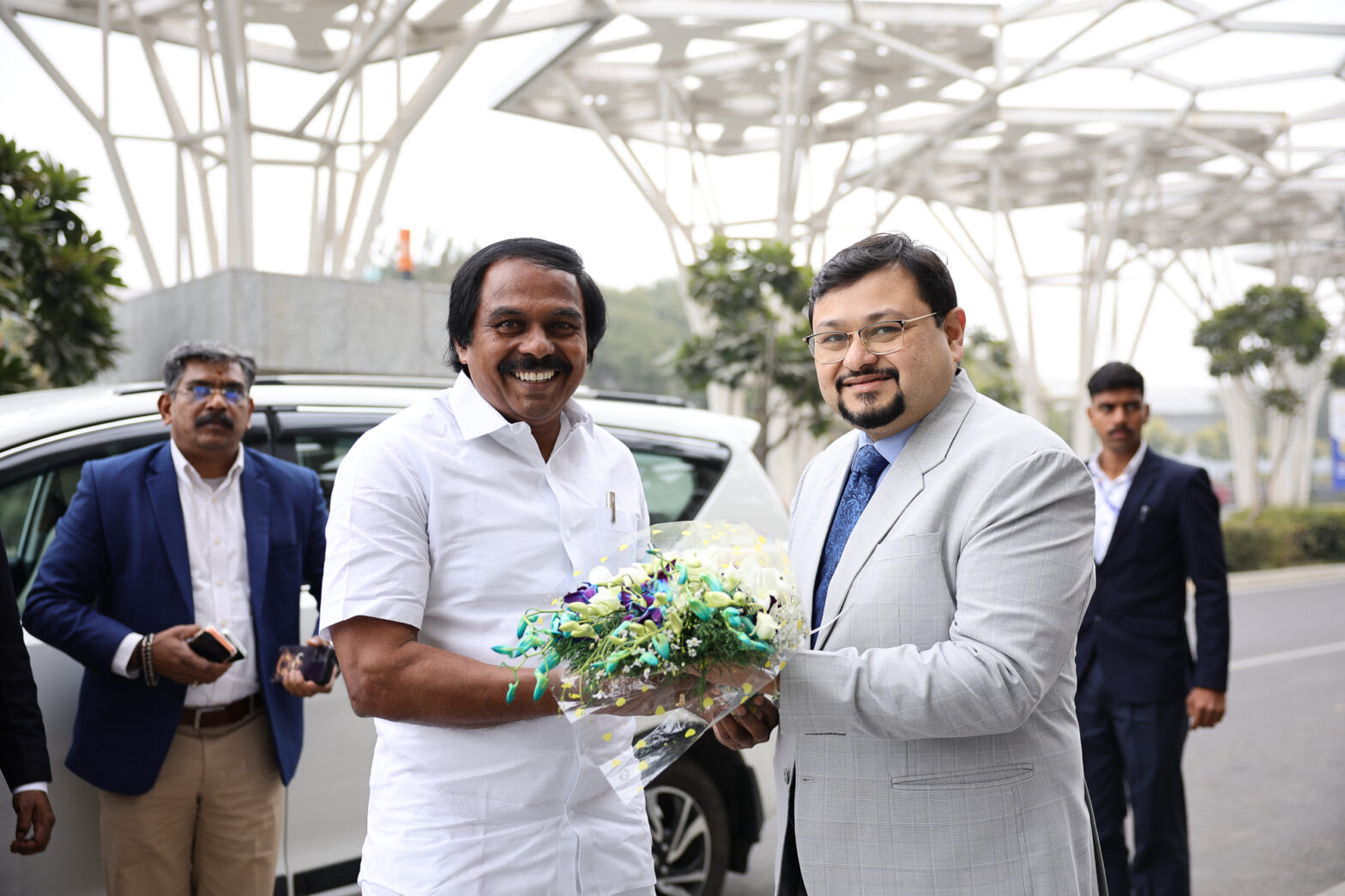
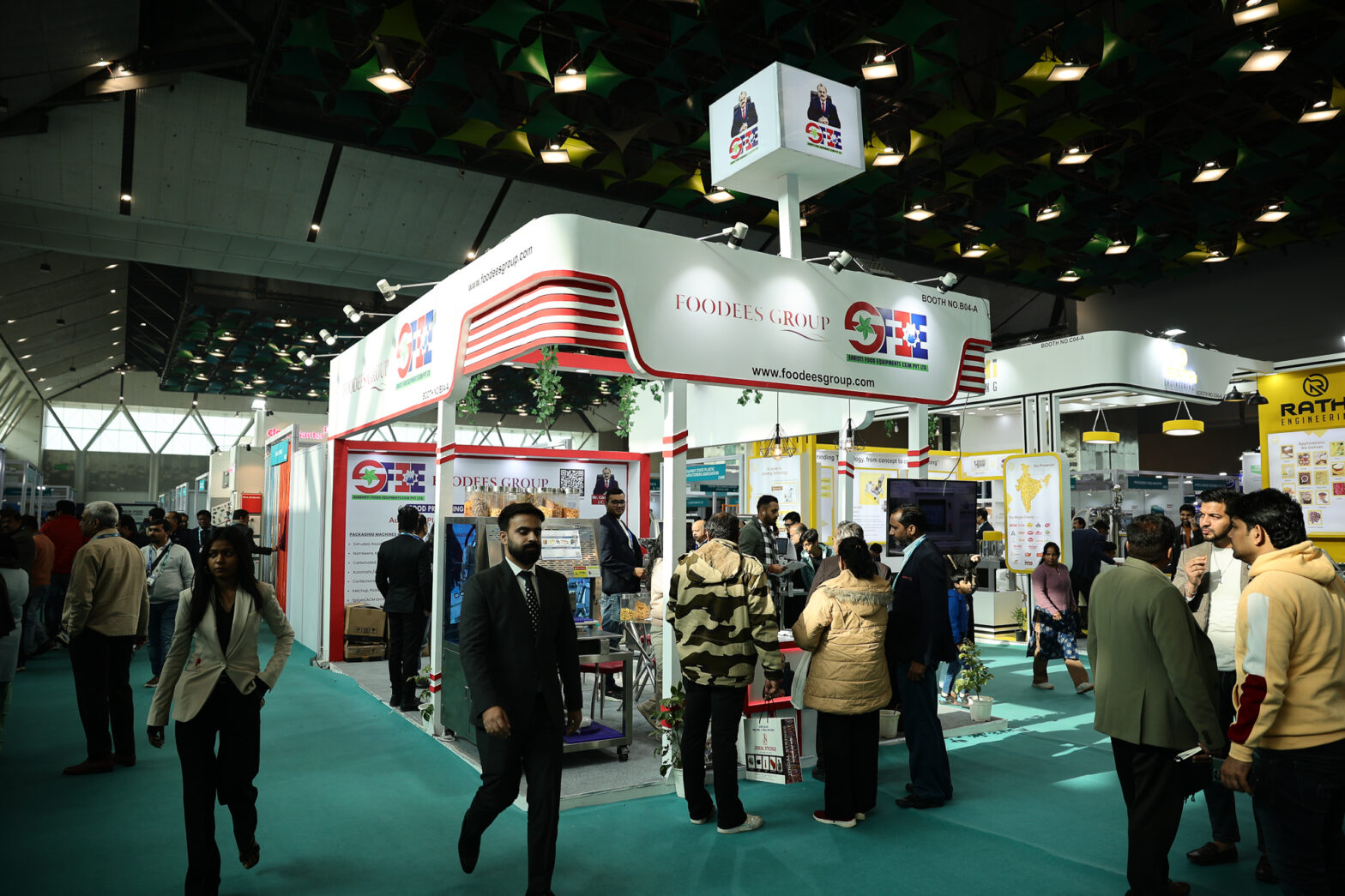
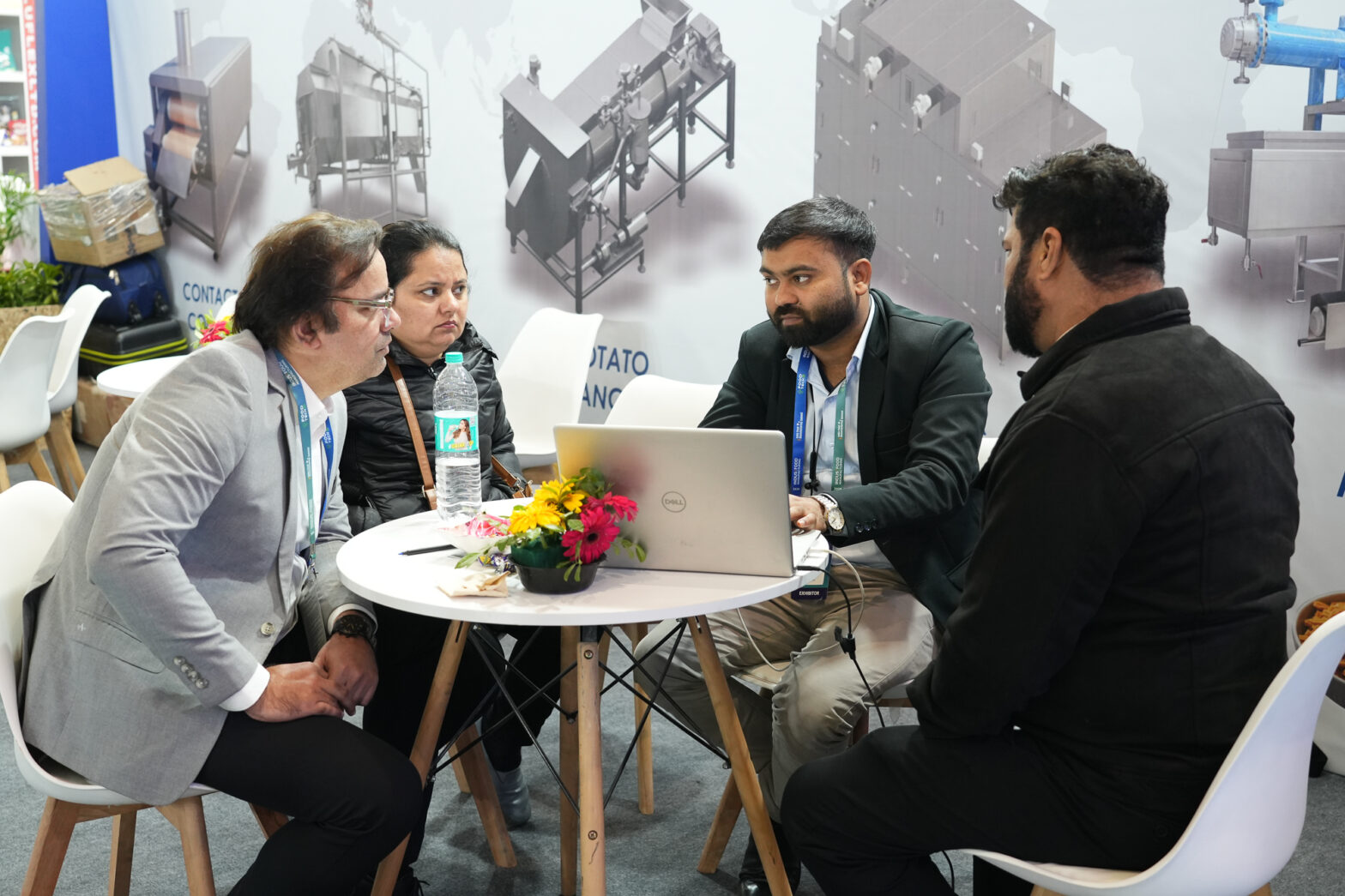
IndusFood Manufacturing 2026 Highlights
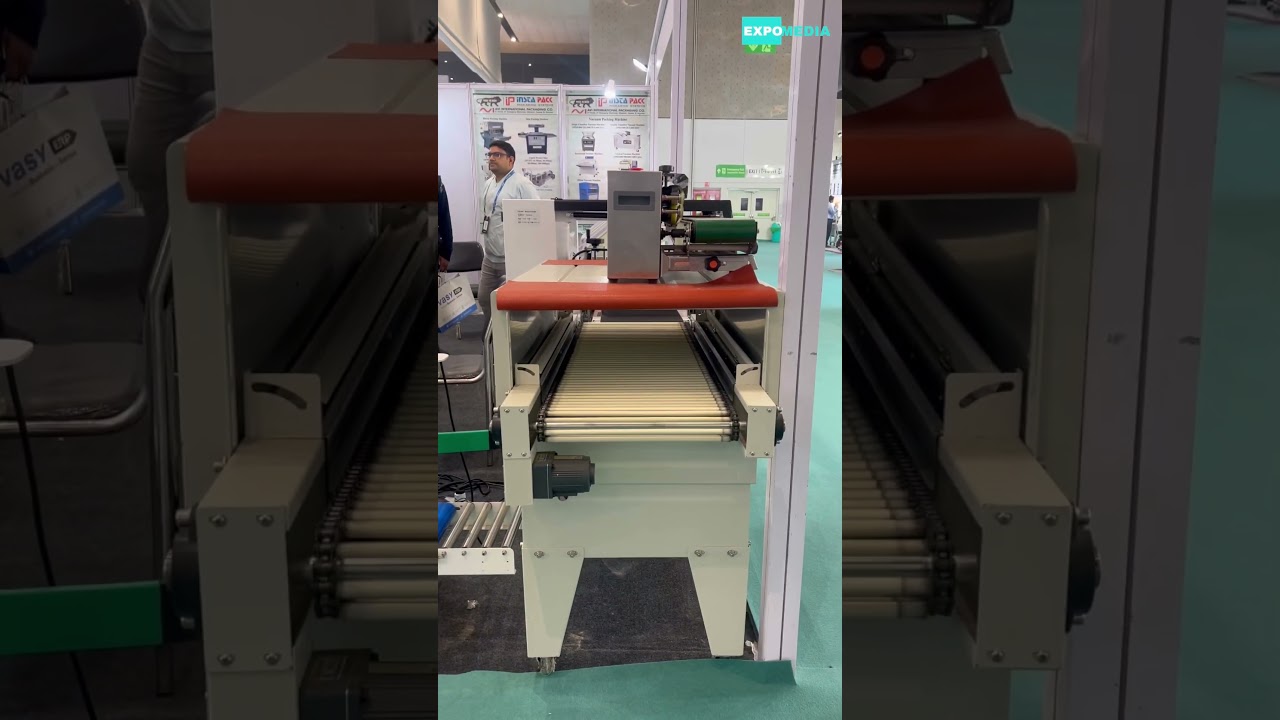
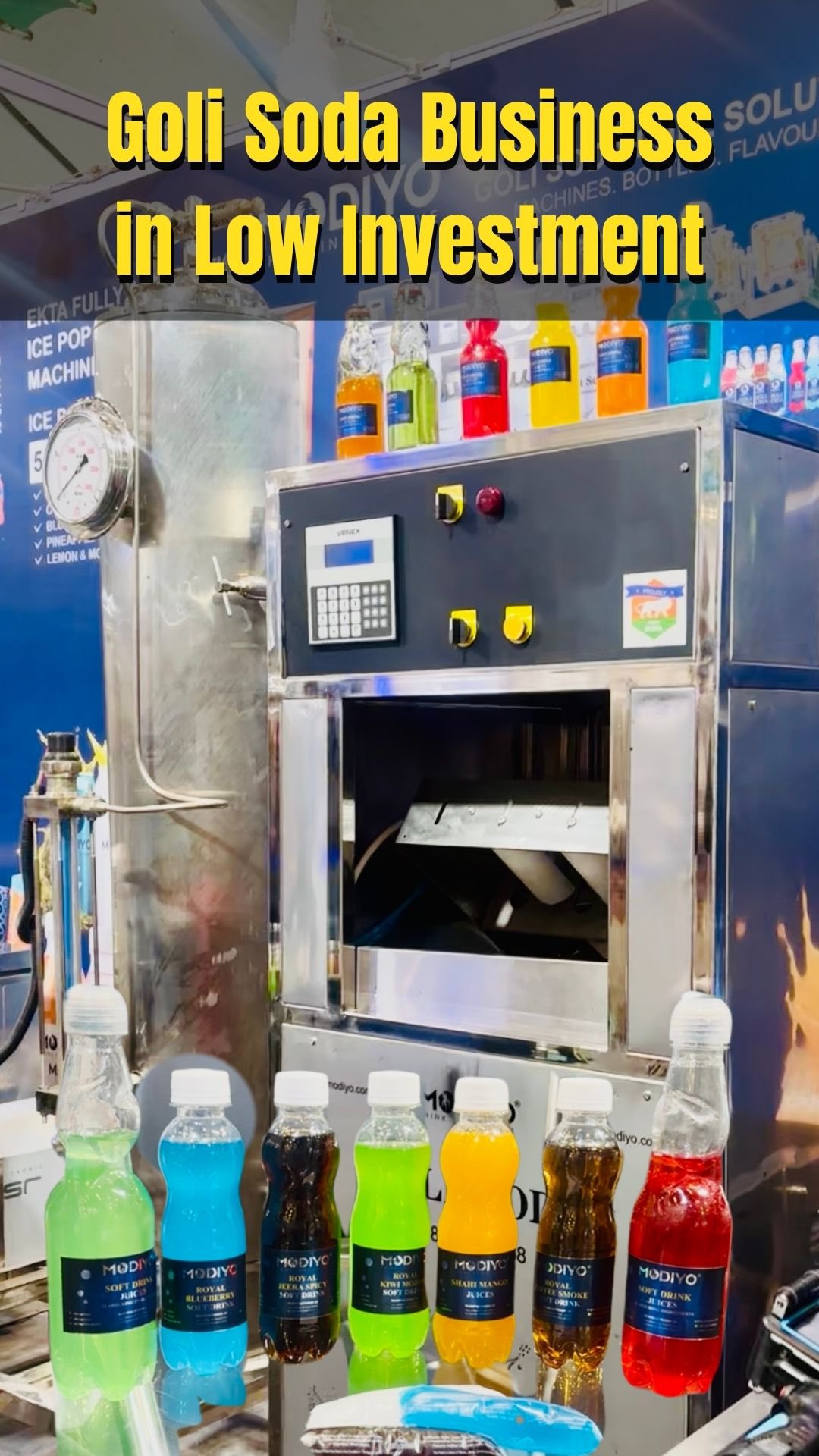
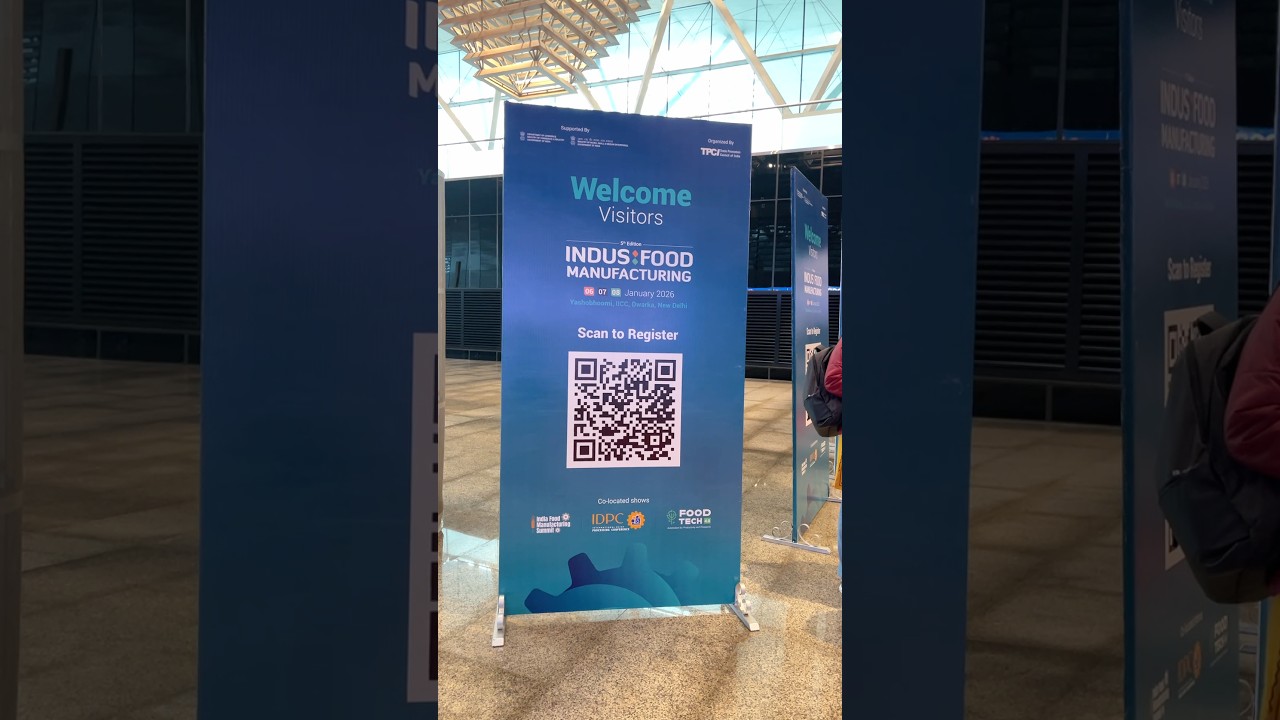
A visual overview of India’s leading food manufacturing marketplace — where technology, innovation, and industry collaboration come together to advance production capabilities
Hear from exhibitors, partners, and participants who have experienced the value of structured engagement and outcome-focused interaction at Indusfood Manufacturing.
Ashish Kumar Agarwal
Managing Director, Bhikharam Chandmal Group
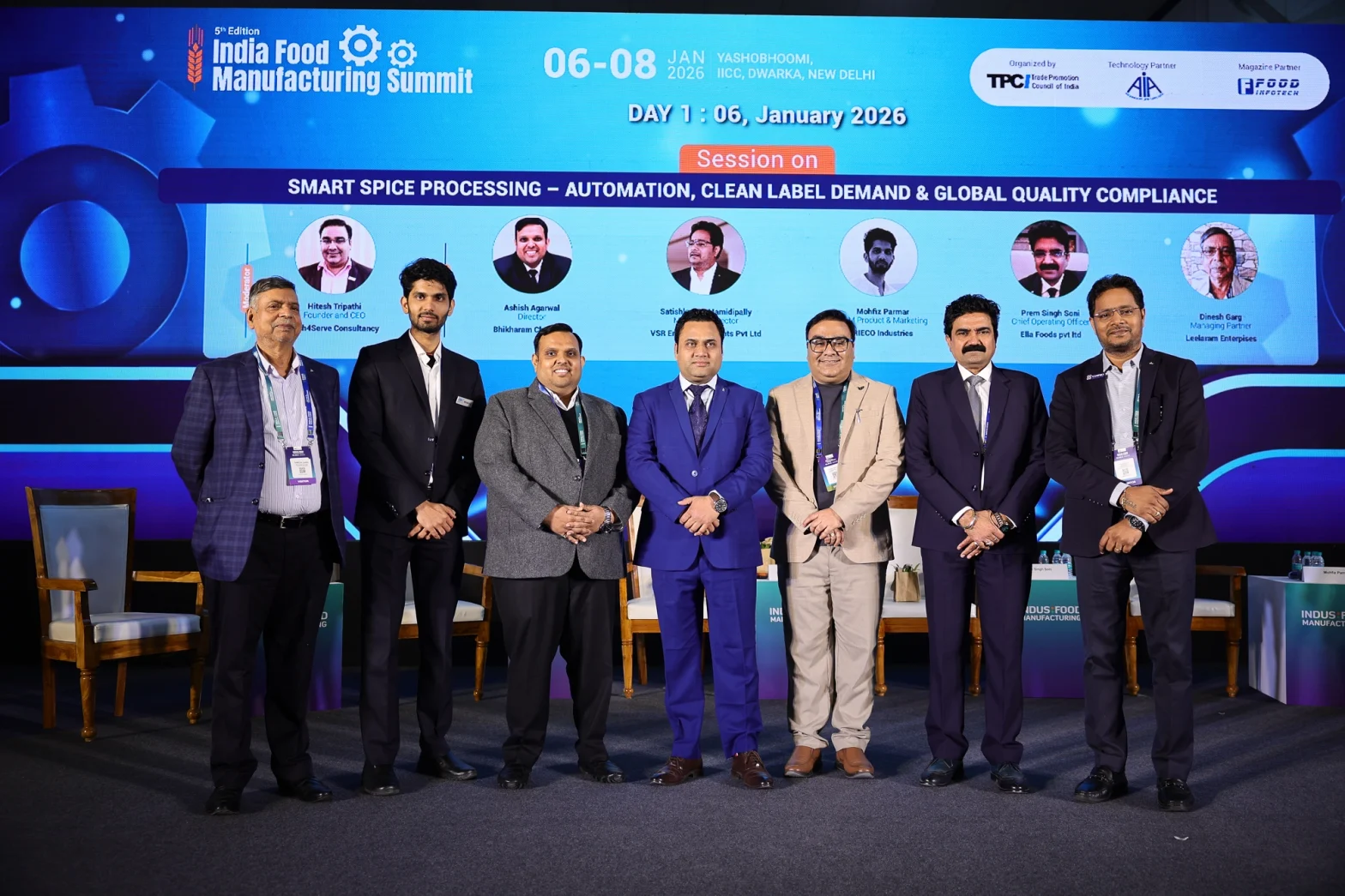
“I appreciate the opportunity to participate as a panelist and share a processor’s perspective on value addition and industry needs at IFM 2026. The dialogue helped bridge the gap between manufacturers and users, and I look forward to being part of future editions.”
Mohfiz Parmar
Head - Strategy & Marketing, Rieco
“This is a platform where we not just showcase our products but also understand what the market wants, what the customers want and how can you bridge that gap between the market expectation and customer need.”
Emily Sagini
Marketing Coordinator, Asmara
“It has been very interesting and informative because you have a lot of different options in one space so you’re able to get the solutions to your problems very quickly.”
“My experience at Indusfood Manufacturing was very positive, with strong footfall and meaningful interactions with partners and industry leaders. It stands out as a credible platform for the food manufacturing ecosystem, and I look forward to participating again.”
Ajay Bansal
Proprietor, AVI International Packaging Company
“Indusfood Manufacturing remained a relevant platform for visibility and industry engagement. While momentum was measured, I met overseas buyers with strong interest in our solutions. The show also built awareness around compliant, future-ready packaging technologies.”
Pankaj Suri
Technical Director, Accord Automation Private Limited
“IFM brought together diverse industries and decision-makers. I engaged with customers across sectors, gaining insight into current technology adoption and future trends. The strong organisation and global buyer interactions made it a productive platform.”
Nikhil Doda
Co-founder & CEO, Lahori Jeera
“The show gave me direct exposure to the food processing ecosystem, from machinery to established brands, helping me understand real-world opportunities and benchmarks. Platforms like this play a key role in supporting India’s startup ecosystem.”
Rajiv Mitra
Sr. Advisor, Indapur Dairy and Milk Products Ltd
“I had an excellent experience at Indusfood Manufacturing and the IDPC 2026 at Yashobhoomi, New Delhi. I was honoured to serve as a jury member and engage with global leaders driving innovation, sustainability, and growth in the dairy sector.”
REGISTER NOW
SHOWCASE YOUR MANUFACTURING SOLUTIONS
Join 300+ exhibitors and connect with 11,000+ industry professionals at India’s most focused marketplace for food manufacturing solutions.
Engage with stakeholders exploring innovation, operational efficiency, compliance, and scalable growth.
Your Login ID and Password have been sent to your registered email ID during your booth registration process.
If you have not received them, you can generate your password on your own:
Login ID – The email address used at the time of registration
Password – Click on Reset Password; a new password will be sent to your registered email ID.
Multiple onsite branding and sponsorship options are available. You can write to us for a customised proposal: 📧 exhibitor.ift@tpci.in
You can download the logo by logging into your Exhibitor Dashboard.
You need to get your booth design approved from the organiser before 15th December 2026. The required forms and guidelines can be found in the Exhibitor Manual, accessible by logging into your dashboard.
You can order additional services from our official vendor. The required forms and important timelines for ordering are available in the Exhibitor Manual in your exhibitor dashboard.
You can find this information in the Exhibitor Manual, accessible by logging into your dashboard.
Log into your Exhibitor Dashboard and navigate to: Manage Projects > Generate Exhibitor Badges
The number of badges is linked to the booth package you selected. Please log into your Exhibitor Dashboard to check the number of badges assigned to your account.
Badges will be made available at the venue one day before the official move-in date. Please refer to the deadline section in the Exhibitor Manual, accessible via your dashboard.
Please share your travel plan and a copy of your passport with the exhibitor coordination desk. They will send a Visa recommendation letter to your registered email. 📧 exhibitor.ift@tpci.in
Hotel enquiries can be sent directly to our designated travel agency. Details are available in the Exhibitor Manual, accessible by logging into your dashboard.
Please contact our official Freight Forwarder. Their details are available in the Exhibitor Manual in your exhibitor dashboard — they will be happy to assist you.
The final Tax Invoice will be sent within 7 days of the completion of the show. For any queries, contact: 📧 exhibitor.ift@tpci.in
Bank details are mentioned at the bottom of your booth booking voucher, which was sent to your registered email at the time of registration.
THEME:
To attend this event, please register on
the website. If you are already a registered user, simply log in to
register for the event.
Indusfood Manufacturing 2026 & FoodTech 4.0 Opens at Yashobhoomi
20th April, 2026 ∙
Towards a greener future in sustainable food production
The food industry faces growing pressure to meet the rising demand for food while demanding sustainable food production. From carbon emissions and plastic waste to heavy water use, food production affects the planet in many ways. With agriculture using 70% of the world’s freshwater and one-third of food going to waste, it’s clear that changes are needed.
Solutions like sustainable sourcing, renewable energy, and smart technologies can help create a better balance between production and environmental care. By adopting sustainable practices, the food industry can ensure a healthier future for both people and the planet.
Food production is a multifaceted process involving agriculture, intricate supply chains, and resource-intensive manufacturing to deliver finished goods to consumers. The food manufacturing industry plays a vital role in supplying the food consumed by people every day. However, as the global population continues to grow, so does the demand for food, presenting the industry with mounting challenges in achieving sustainable food production. Balancing production with environmental responsibility has become increasingly important to ensure long-term resource availability and reduce ecological harm.
Sustainable practices are now more crucial than ever to protect the environment and preserve resources for future generations. According to data released by the World Food Programme (WFP) in 2021: “Around one-third of food produced for human consumption is either lost or wasted, amounting to a financial loss of about US$ 1 trillion annually. food loss and waste are prevalent in a world where enough food is produced to feed the world’s 7 billion people, yet 811 million people still go to bed hungry each night.”
Environmental impacts of food manufacturing
Increases Global Emissions- The food industry is a major source of carbon emissions, encompassing every stage from farming and transportation to energy use in grocery stores. In 2021, agriculture contributed 10% of the U.S.’s total emissions, with livestock—particularly methane-emitting cows—and rice farming identified as key drivers, according to the EPA. The environmental impact extends beyond production; the EU reports that transporting fruits and vegetables releases twice the greenhouse gases compared to their cultivation. Retail operations further contribute, as supermarkets depend on refrigeration systems that use hydrofluorocarbons (HFCs) to preserve food.
Generates Significant Plastic Waste- Food packaging accounts for more than a third of the global packaging market, contributing heavily to plastic waste. While plastic helps protect food from contamination and improves its presentation, most packaging is designed for single use. Items like polystyrene plates and cling film are non-recyclable, meaning much of this packaging ends up as waste instead of being reused in the economy.
Wastes Large Amounts of Water– The agricultural sector accounts for approximately 70% of the world’s freshwater use for irrigation, livestock maintenance, and food processing. The Food and Agriculture Organization warns that as the global population grows, this demand will rise, further straining already limited freshwater resources. Current water usage in the food industry is unsustainable, especially as climate change exacerbates water scarcity, disproportionately impacting warmer regions and developing countries. Future shortages could disrupt food prices and availability, potentially leading to regional conflicts.
Techniques or methods to adopt for sustainable food production and manufacturing
Food waste reduction- Reducing waste in food manufacturing is essential for maintaining sustainability, as about one-third of food produced globally for human consumption is wasted each year, as per the Food and Agriculture Organization. To tackle this issue, manufacturers can begin by conducting a waste audit to identify areas of waste generation. Implementing lean manufacturing practices helps eliminate inefficiencies such as overproduction and excess inventory, leading to substantial waste and cost reductions. Shivam Gupta, Manager at Tirupati Food Industries Pvt Ltd says that there is no waste in our company, “Food that isn’t safe for people to eat is often used as animal feed, and if it’s not suitable for that either, it’s used for biodegradation.”
Sustainable sourcing for food processing- Sustainable sourcing of raw materials in food processing enhances environmental, social, and economic benefits. By choosing suppliers that use regenerative agriculture, food processors can lower greenhouse gas emissions and conserve resources. This approach also promotes fair labor practices and supports local communities.
Using renewable energy sources- Utilizing renewable energy sources is important to reduce carbon footprints by lowering greenhouse gas emissions and helping to mitigate climate change. Generating energy on-site increases energy security by reducing reliance on external sources, reducing cost, and ensuring a more stable and resilient energy supply for food manufacturing operations.
Sustainable Packaging- Food packaging is a significant source of waste and pollution, with over 78 million metric tons of plastic produced annually, of which only 14% is recycled. Most plastic comes from non-renewable resources and ends up in landfills. In response, many manufacturers are opting for wood- and paper-based alternatives, which are biodegradable and recyclable, provided they come from sustainably managed forests. Mr Gupta also added that, “Sustainable packaging can be pricey, but customers are willing to pay more for trendy food products. However, they’re less inclined to pay extra for staple food items. We offer sustainable packaging when buyers request it.“
Usage of innovative technology for sustainability
Incorporating innovative technology is essential for dealing with the challenges of sustainability. The following technologies can be used for this purpose.
Internet of Things (IoT) devices– This technology enables the collection of real-time data in manufacturing environments. Smart manufacturing applications can track and analyze energy and water usage, connecting these metrics to specific recipes and processes, which will help reduce energy and water consumption throughout the process.
Data analytics- Advanced analytics and machine learning algorithms can analyze extensive datasets, enabling them to forecast crop yields and identify potential disruptions in the food supply chain caused by disease outbreaks. By leveraging these technologies, food manufacturers can make informed decisions that enhance productivity and sustainability in agricultural operations.
Supply Chain Optimization– By tracking sustainability metrics from vendors and co-manufacturers, companies can improve their reporting capabilities. This approach enables them to identify and concentrate on initiatives that have a meaningful impact on their sustainability goals and overall supply chain performance.
Achieving sustainable food production in the food industry is essential to meet growing global demands while minimizing environmental impact. Addressing challenges such as carbon emissions, plastic waste, and water scarcity requires a holistic approach—integrating sustainable sourcing, waste reduction, renewable energy use, and advanced technologies.
By embracing eco-friendly practices across production and supply chains, the industry can not only enhance operational efficiency but also contribute to environmental preservation and social well-being.
INDUSFOOD MANUFACTURING
6th January, 2026 .
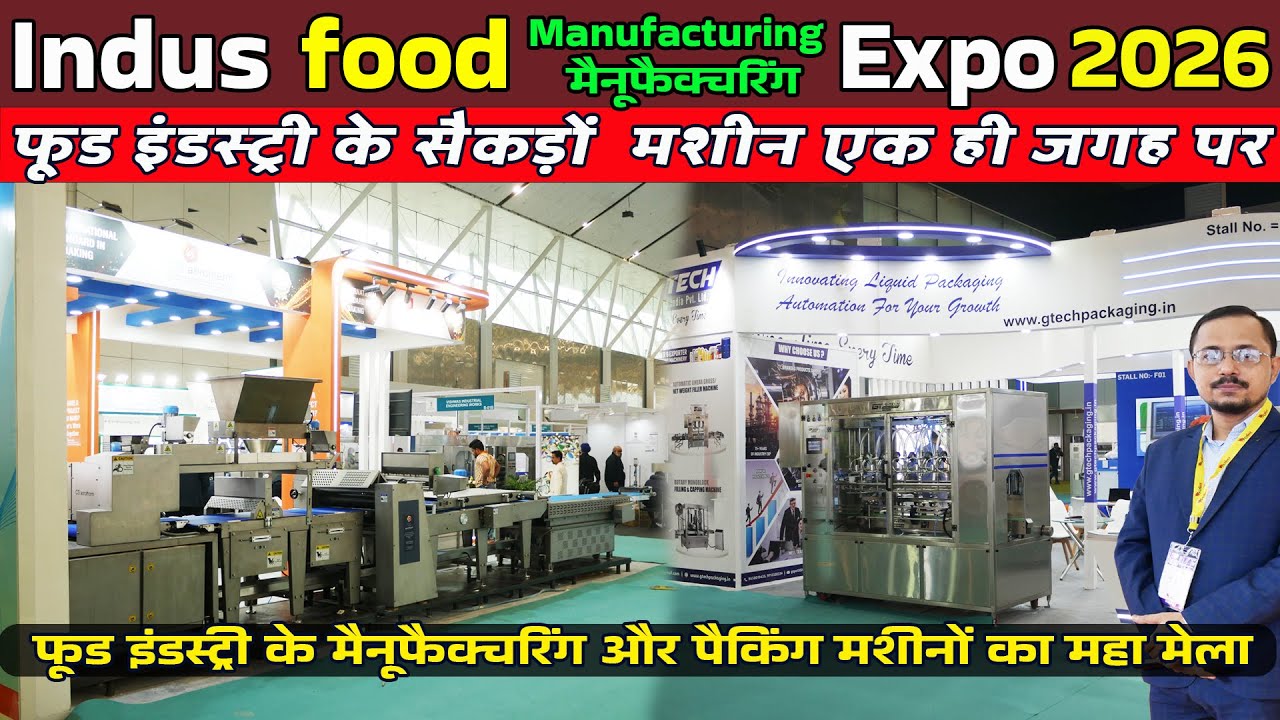
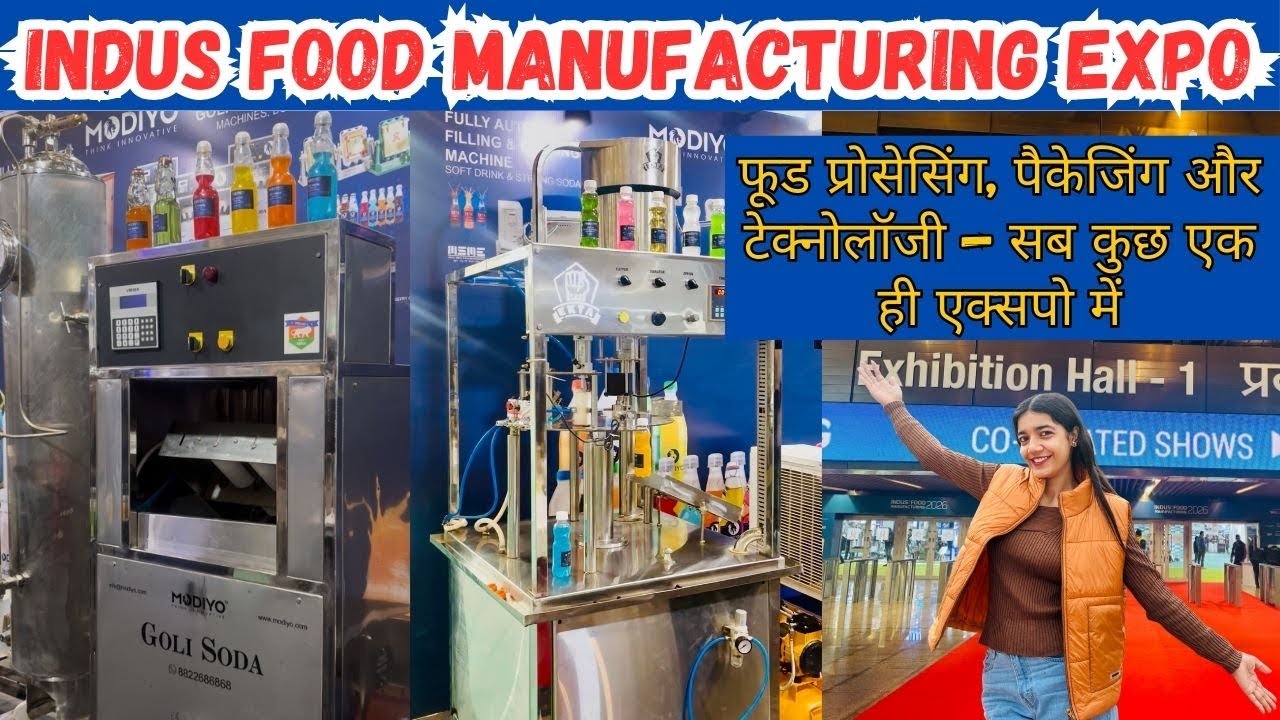
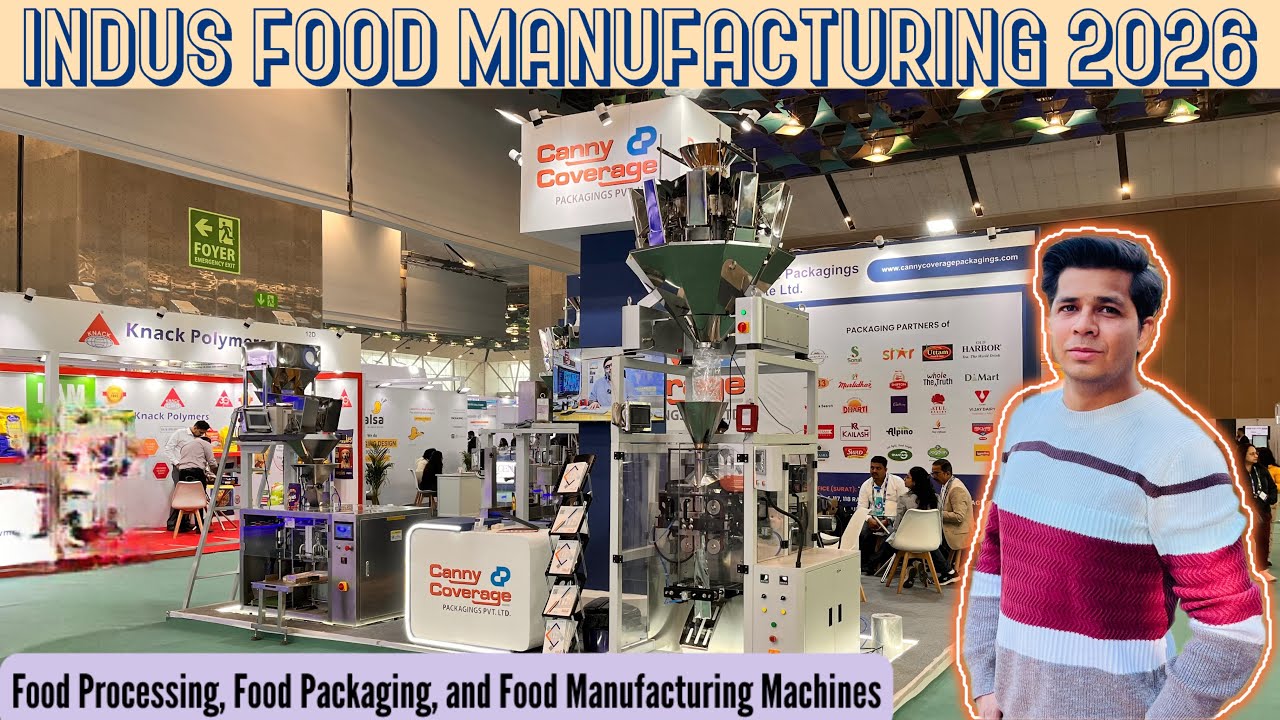
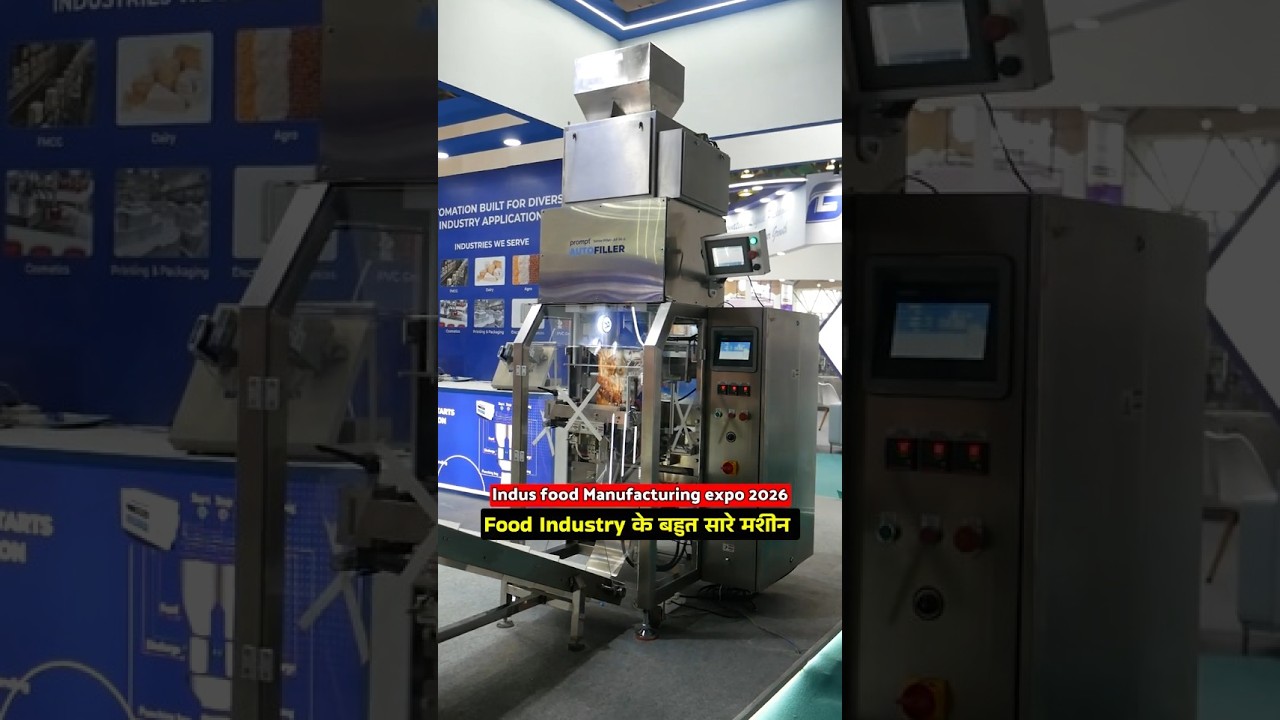
मशीन ही मशीन Indus food Manufacturing expo 2026 Yashobhumi Dwarka New Delhi
7th January, 2026 .
Indusfood Manufacturing 2026 and FoodTech 4.0 Opens at Yashobhoomi, New Delhi
Indusfood Manufacturing 2026 & FoodTech 4.0 Opens at Yashobhoomi
20th April, 2026 ∙
Packaging innovations and sustainable solutions: Addressing environmental concerns
The food industry is experiencing a shift toward eco-friendly packaging as consumer awareness of plastic’s environmental impact grows. Innovations like plant-based materials, edible coatings, recycled plastics, bioplastics, and reusable packaging are driving sustainability efforts.
While these solutions offer environmental benefits, challenges such as high costs, extensive research requirements, and material effectiveness remain. By investing in innovation and balancing sustainability with product quality, companies can align with consumer demand for greener packaging options and ensure long-term market success.
The food industry is growing, and with it comes a rising awareness of the negative environmental impact of conventional plastic packaging. This increased consciousness is making consumers opt for products with sustainable, biodegradable, or reusable packaging. Amid growing climate challenges, concerns about plastic packaging are prompting consumers to prefer brands offering eco-friendly alternatives.
In food manufacturing, packaging plays a crucial role in protecting products from spoilage during shipping, storage, and handling. Over time, it has also become a key element of branding and marketing, influencing how consumers perceive both products and brands. Recently, many companies have recognized the advantages of updating their packaging, from cost reduction to enhanced sustainability.
What is sustainable food packaging?
Sustainable food packaging focuses on minimizing the environmental footprint of packaged food. Innovative techniques in this area aim to reduce food waste and prevent loss by improving food quality. These involve using materials and manufacturing processes with minimal environmental impact, ensuring they are climate-friendly. The objective is to lower carbon emissions, enhance biodegradability, and simplify waste management.
Innovations in Sustainable Food Packaging
Many developments are taking place in eco-friendly packaging, some of which are listed below:
Plant-Based Materials Sustainable packaging derived from plant-based sources like corn starch, sugarcane bagasse, and bamboo is gaining popularity. These materials are often favored because they are biodegradable and often compostable, making waste management easy and reducing environmental pollution.
Edible Coatings To eliminate the need for plastic wrapping in fresh produce, edible substances such as wax or natural oils are being increasingly utilized. These coatings help extend the shelf life of fruits and vegetables by reducing moisture loss and minimizing wastage.
Recycled Plastic Solutions The use of recycled materials in plastic packaging significantly reduces its environmental impact by giving discarded plastics a second life, thereby minimizing waste. Emerging technologies are enhancing this process by ensuring food-grade safety standards while increasing the proportion of recycled materials utilized.
Bioplastics Bioplastics, made from renewable resources like sugarcane, corn, or vegetable oils, present a greener alternative to conventional plastics. Although not all bioplastics are compostable, they significantly reduce dependency on fossil fuels and offer a sustainable choice for packaging applications, aligning with eco-conscious consumer demands.
Reusable Packaging Reusable packaging options, such as steel containers, glass jars, and cloth bags, are becoming more widespread for specific food items. These materials can be cleaned and reused multiple times, making them a durable and eco-friendly alternative. By encouraging the return and reuse of such packaging, businesses, and consumers can collectively reduce waste and promote sustainability.
Even though sustainable packaging has a lot of advantages, it faces many challenges on the part of manufacturers. Some of these are mentioned below:
Cost: The major issue that manufacturers face while adopting sustainable packaging is the cost. Sustainable packaging is often more expensive than traditional packaging materials and that cost is usually passed on to the consumer, making it difficult for them to choose it over other alternatives.
Research: A lot of in-depth research is required to adopt sustainable packaging for food, as the material has to be strong enough to hold the food content and withstand logistics challenges. This research often involves high costs which might become a little difficult for some companies to adopt.
Effective materials: One of the major challenges is to ensure that the quality of the material used is good enough for the quality of the product and is not impacted in any way. Also, it has to be made sure that the shelf life of the product is not shortened as the company would lose money in the long run.
There is a growing shift towards the protection of the environment in the food industry, where companies are working on newer innovations like plant-based materials, edible coatings, recycled plastics, bioplastics, reusable packaging, etc, to reduce waste and meet consumer demand for eco-friendly products.
Companies must address challenges such as cost and material effectiveness by dedicating significant resources to research and development. This involves exploring innovative materials, optimizing manufacturing processes, and finding cost-effective solutions that balance sustainability with product consumption. By doing so, businesses can create packaging that meets consumer demands for eco-friendly options while maintaining product quality and ensuring long-term feasibility in the market.
INDUSFOOD MANUFACTURING
6th January, 2026 .
मशीन ही मशीन Indus food Manufacturing expo 2026 Yashobhumi Dwarka New Delhi
7th January, 2026 .
Indusfood Manufacturing 2026 and FoodTech 4.0 Opens at Yashobhoomi, New Delhi
Indusfood Manufacturing 2026 & FoodTech 4.0 Opens at Yashobhoomi
20th April, 2026 ∙
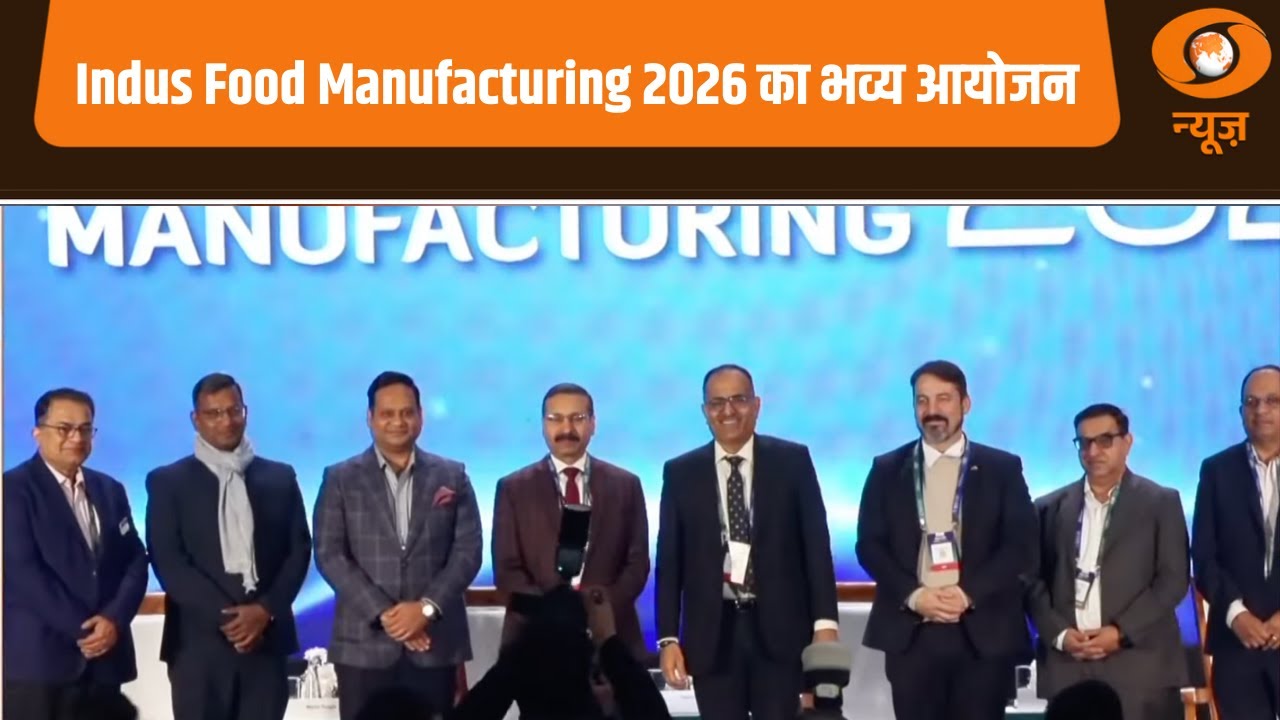
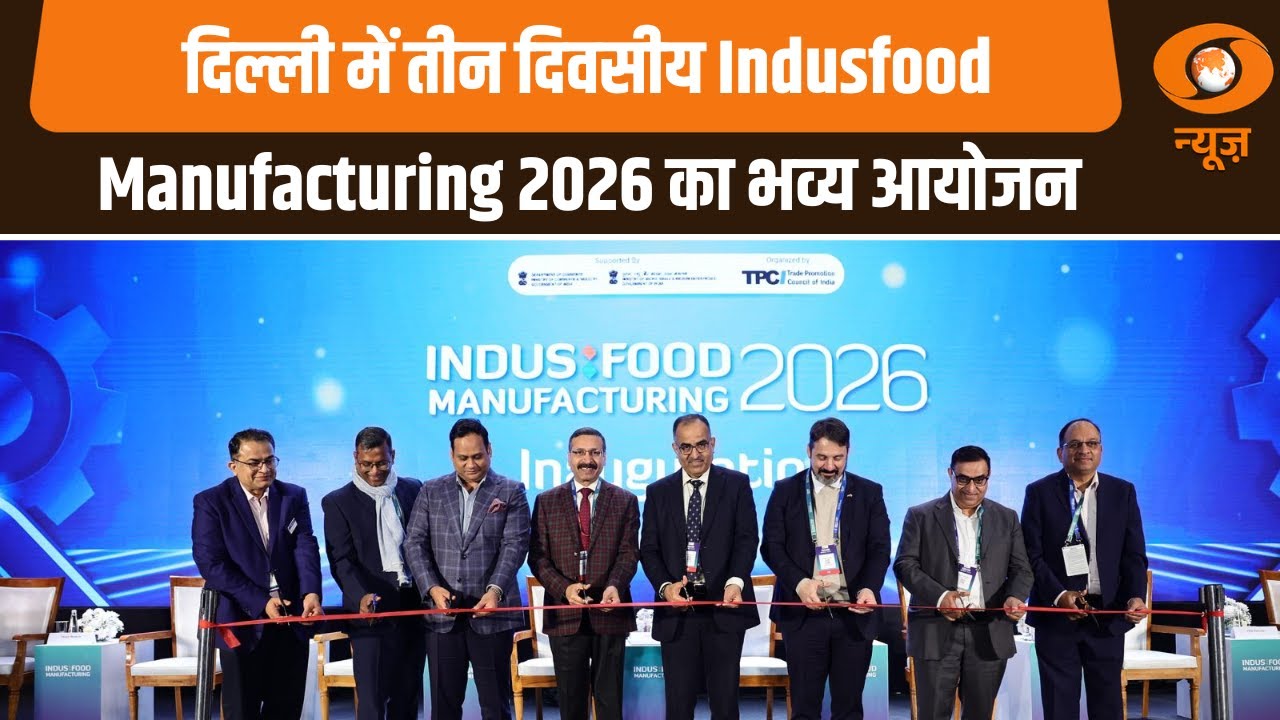
Indusfood Manufacturing 2026 & FoodTech 4.0 Inaugurated at Yashobhoomi, Reinforcing India’s Push for a Technology-Driven Food Manufacturing Ecosystem
Yashobhoomi, New Delhi | 6 January 2026
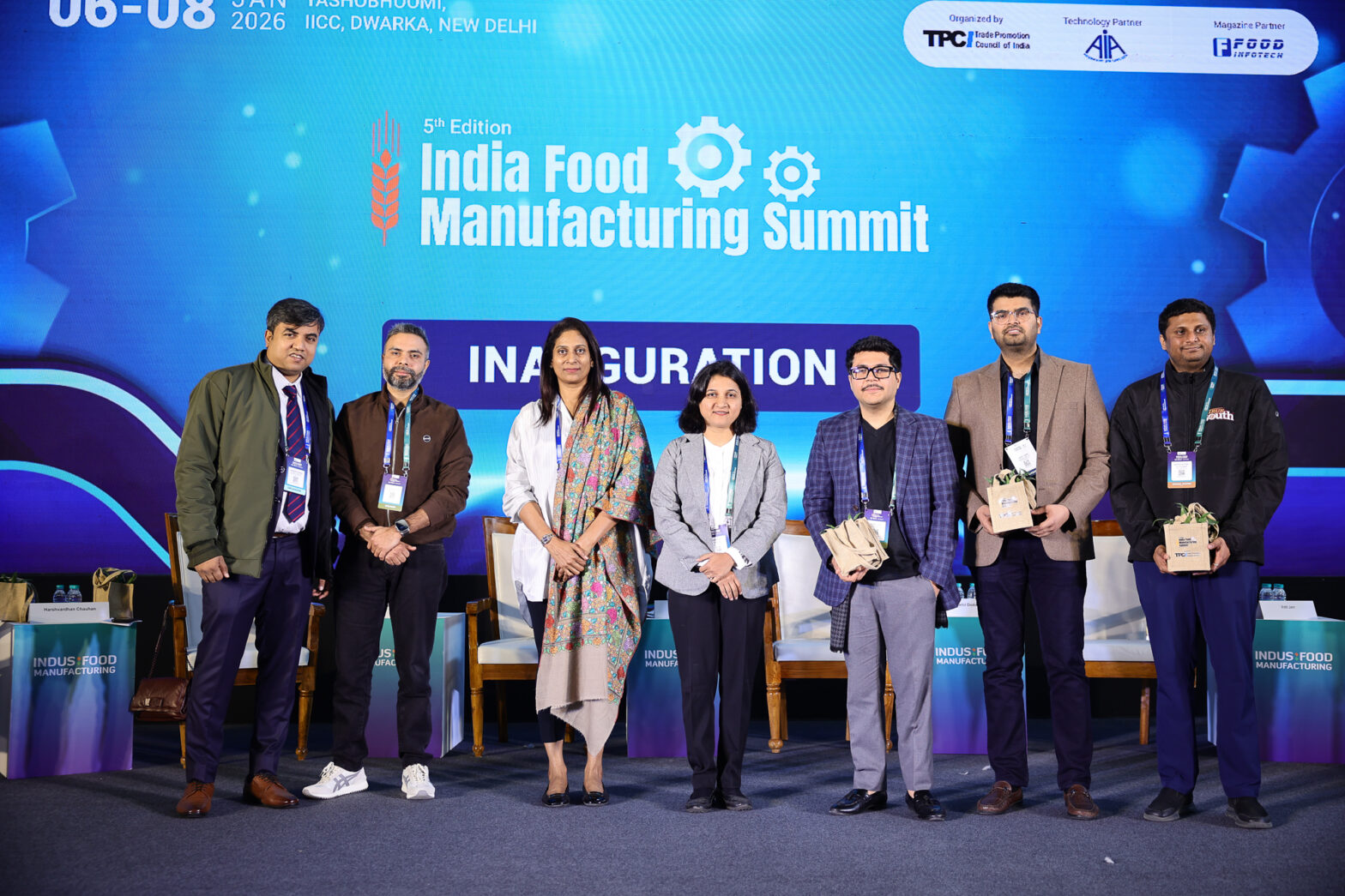
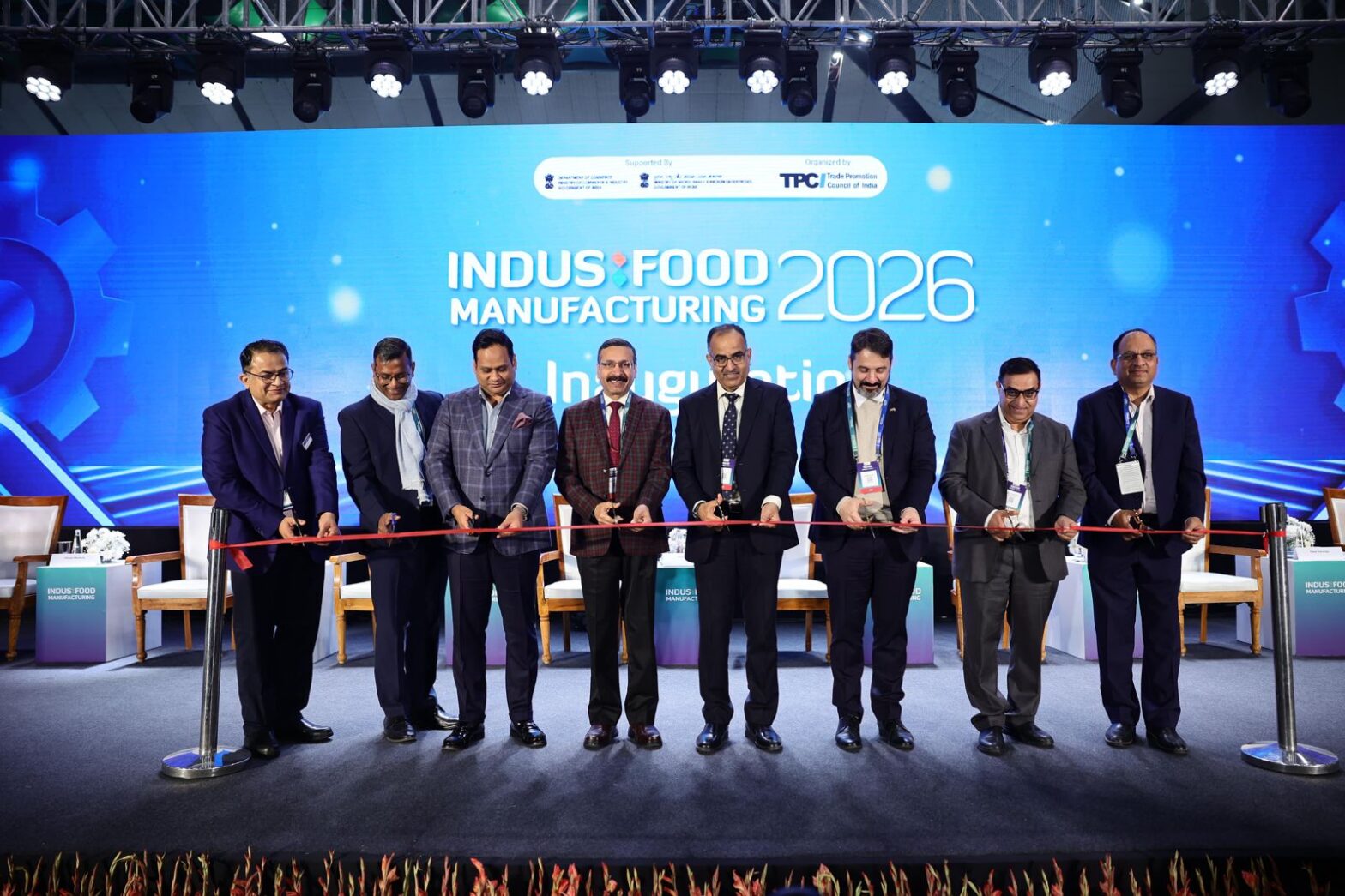
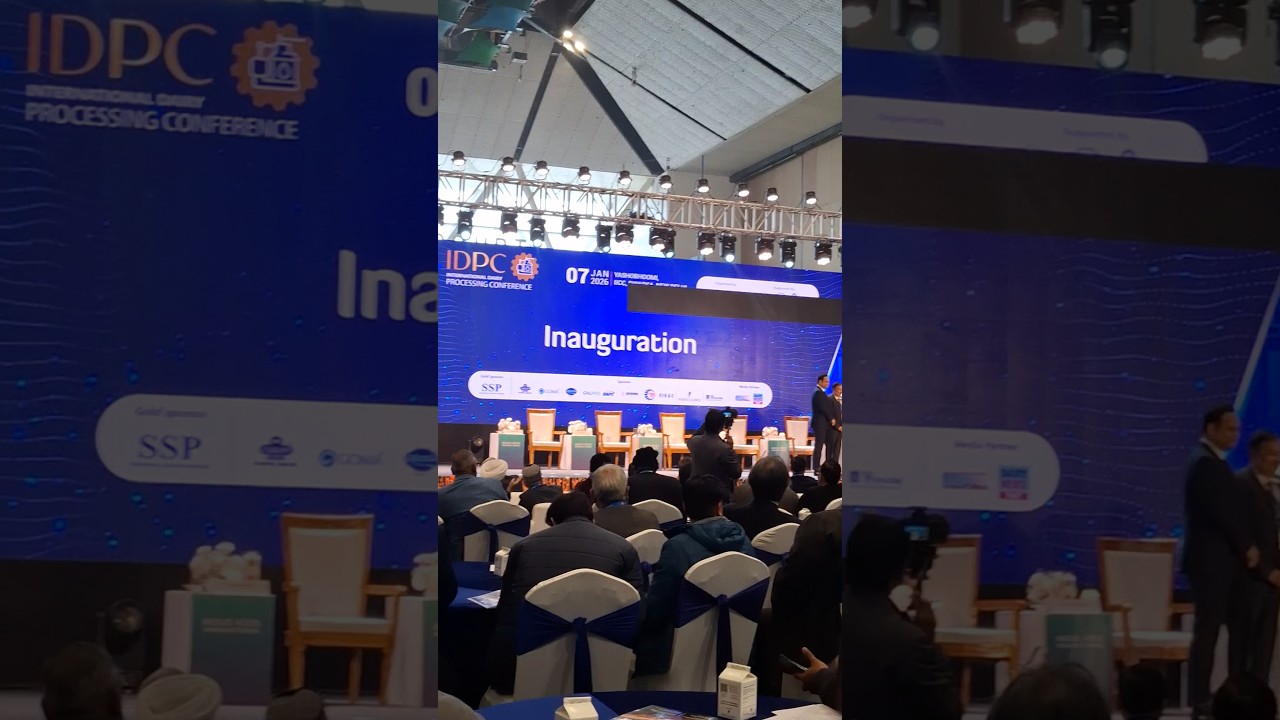
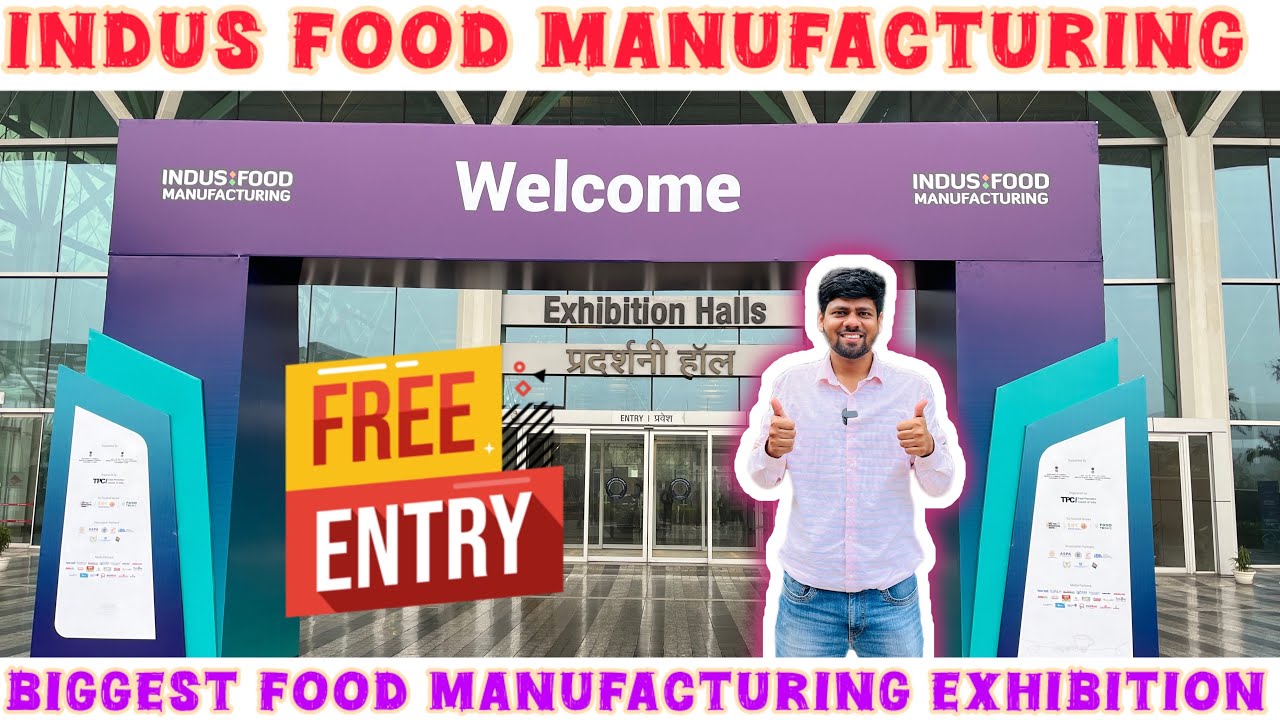
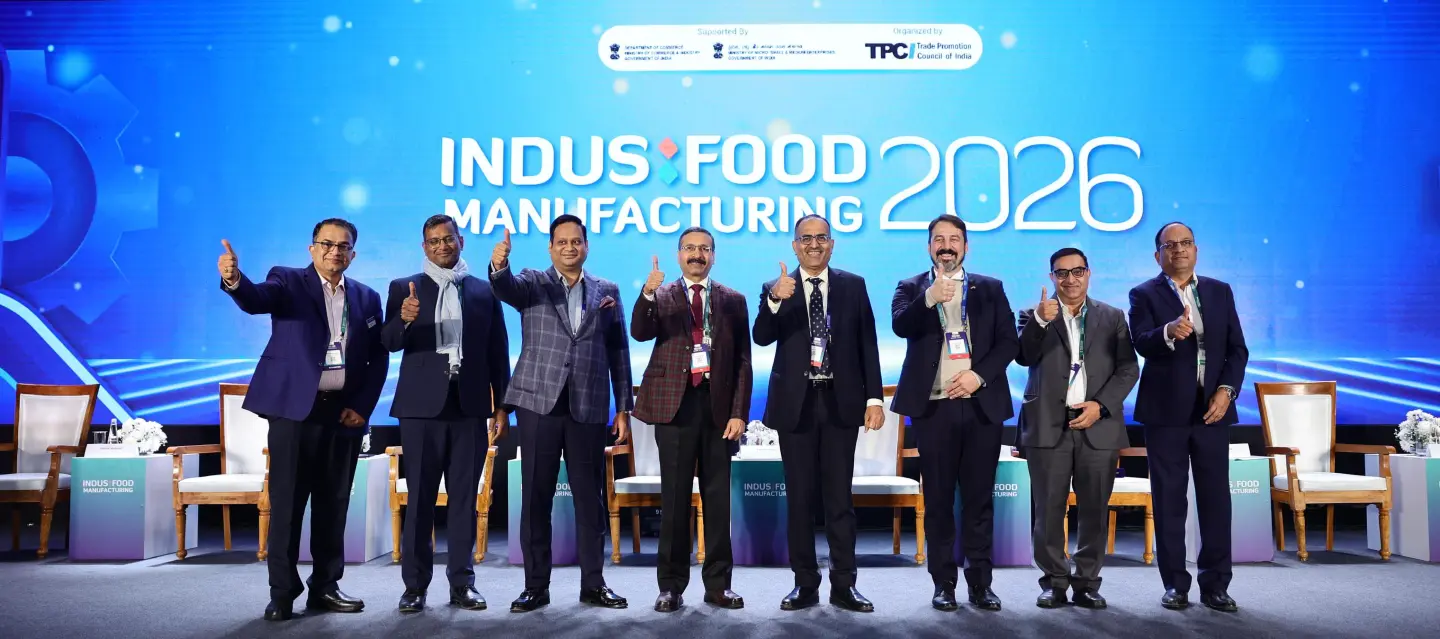
The Trade Promotion Council of India (TPCI) formally inaugurated Indusfood Manufacturing 2026, along with FoodTech 4.0, at Yashobhoomi, IICC, New Delhi, marking the commencement of India’s most comprehensive platform dedicated to food processing, packaging, automation, and manufacturing technologies.
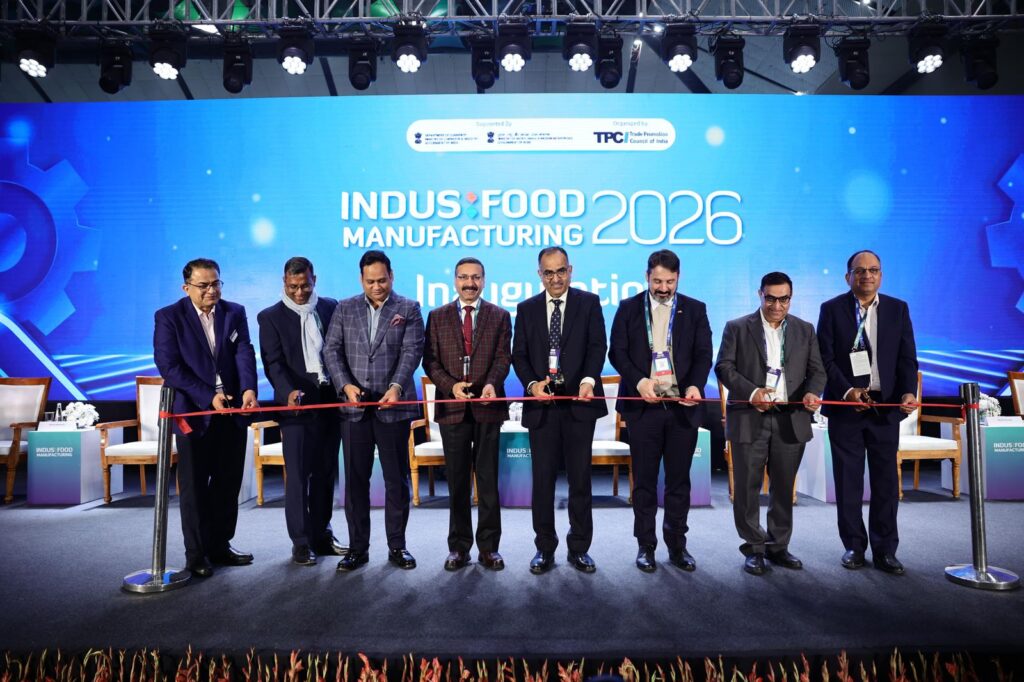
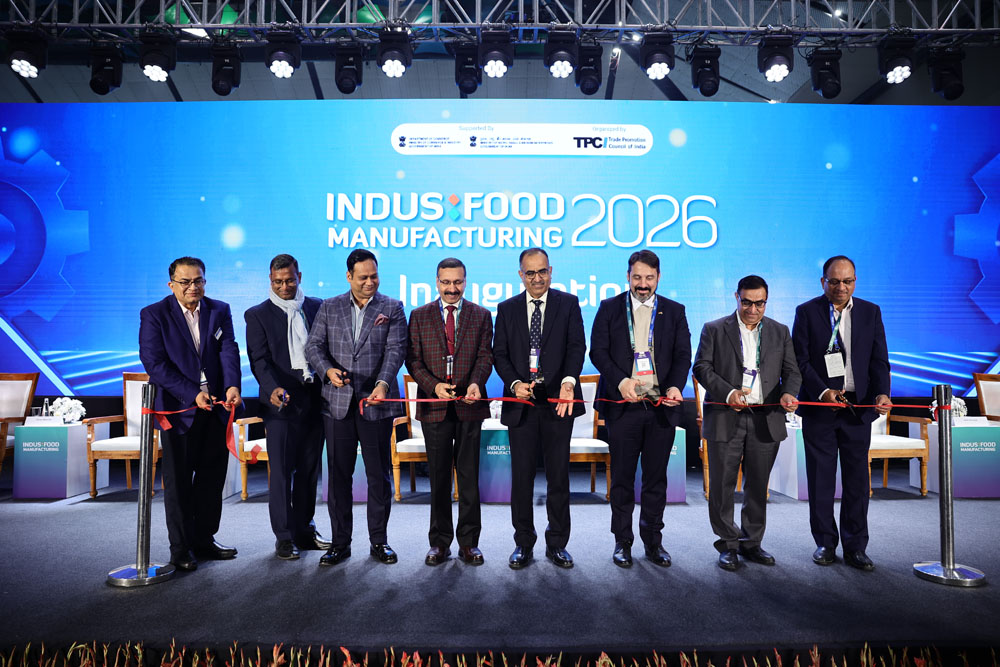
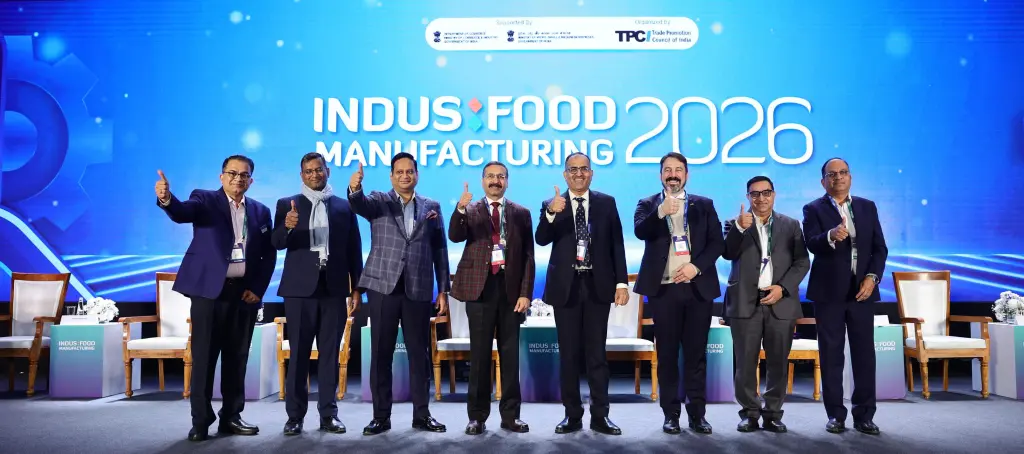
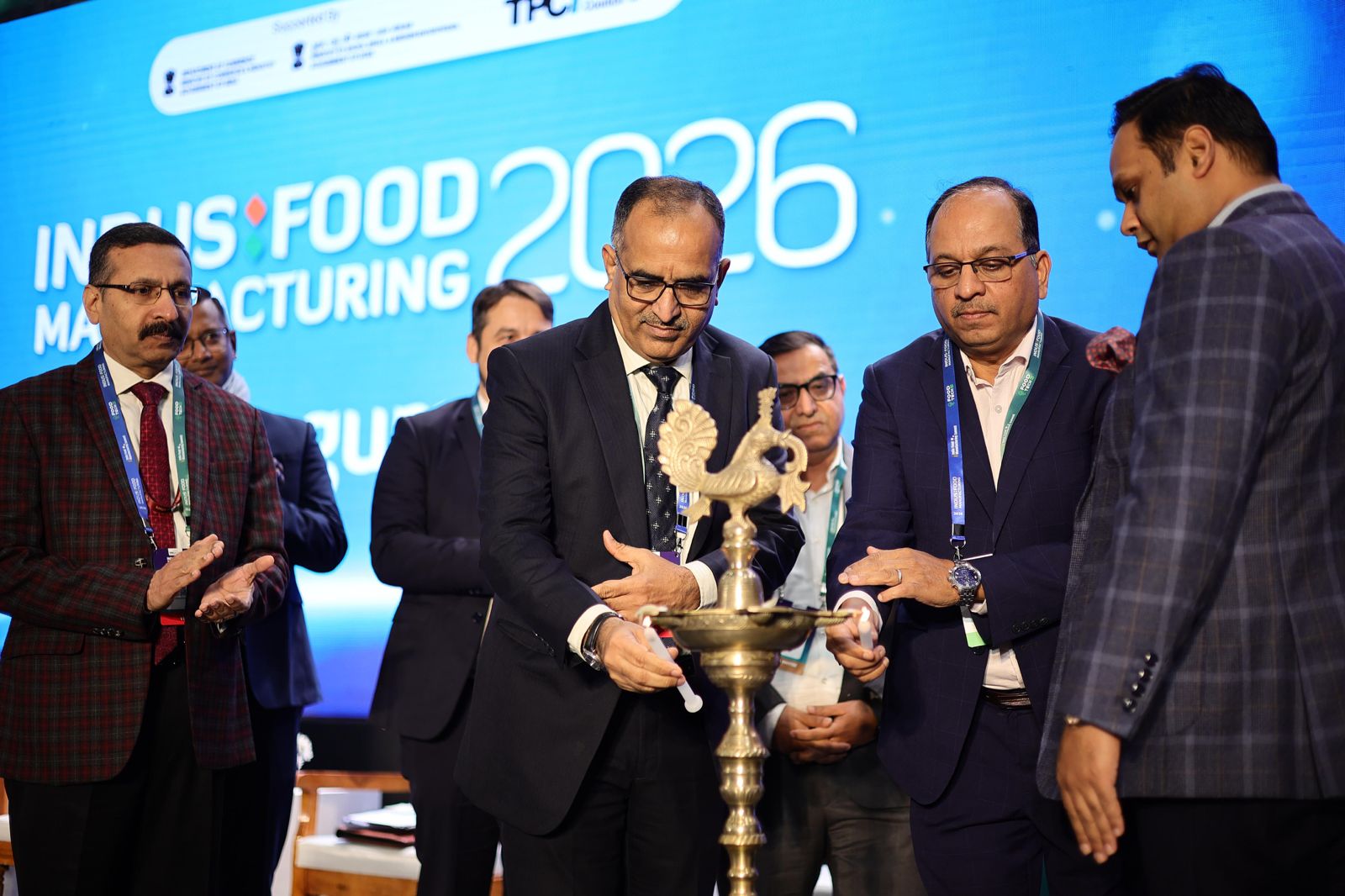
The inaugural ceremony was graced by Shri Avinash Joshi, Secretary, Ministry of Food Processing Industries, Government of India; Shri Mohit Singla, Chairman, Trade Promotion Council of India; Shri Yashvir Singh, Economic Adviser, Agriculture SMD, Department of Commerce; Mr. Volker Klima, Head of Agriculture & Food Division, Embassy of the Federal Republic of Germany; Shri Vikram Mulmule, Regional Sales Head, JBT Marel, USA; Shri Vikas Kanungo, Senior AI & Digital Transformation Expert, The World Bank Group; Shri Rajashekar Venkat, President, Mamata Machinery Ltd.; and Shri Sunil Mehta, President, Automation Industries Association.
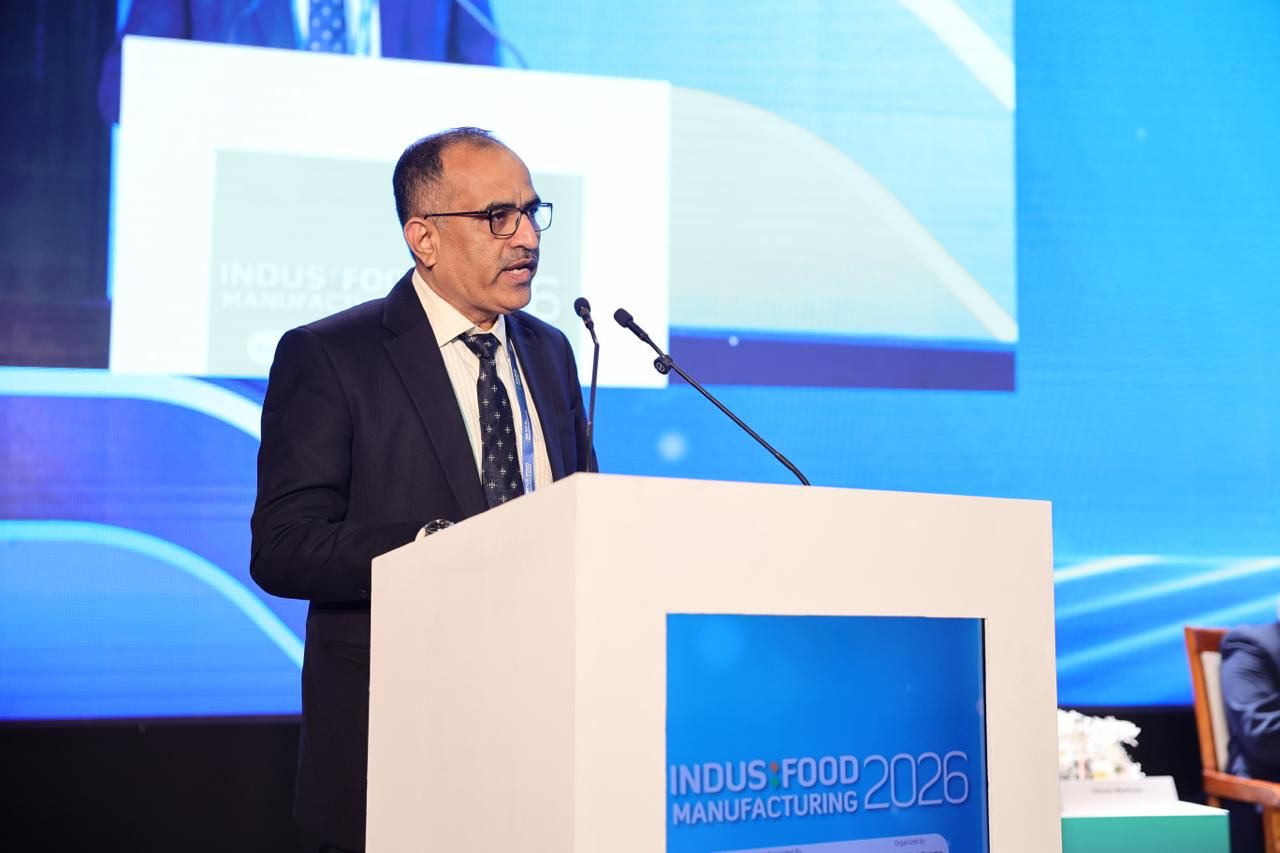
Delivering the keynote address, Shri Avinash Joshi, Secretary, Ministry of Food Processing Industries, Government of India, congratulated Shri Mohit Singla and Trade Promotion Council of India (TPCI) for building Indusfood Manufacturing into a comprehensive platform that brings together technology providers, manufacturers, policymakers and global partners across the food processing value chain.
“India today has surplus agricultural production, a strong manufacturing base and a young, skilled workforce. The opportunity before us is to further strengthen food processing through value addition, quality enhancement and technology adoption so that we create employment, increase farmers’ incomes and expand exports. Platforms such as Indusfood Manufacturing play a crucial role in translating this potential into tangible outcomes,” said Shri Avinash Joshi.
He reaffirmed the Ministry of Food Processing Industries’ commitment to working with industry, states and global partners to build a competitive, sustainable and export-oriented food processing ecosystem, adding that Indusfood Manufacturing 2026 will support India’s journey towards Viksit Bharat 2047.
Addressing the gathering, Mr. Volker Klima, Head of Agriculture & Food Division, Embassy of the Federal Republic of Germany, highlighted the strategic importance of food processing as a driver of economic growth, trade, and global food security. He spoke on the role of value addition, processing and manufacturing in enabling trade and feeding growing populations across regions, while emphasising the importance of technology, innovation and collaboration between India, Germany and global markets.
“When we talk about the food sector, it is money, it is business—and that is why we must come together to discuss technology, research and development, innovation, Indian and German technologies, and how we can exchange, protect and develop our business models together,” said Mr. Klima.
Shri Yashvir Singh, Economic Adviser, Agriculture SMD, Department of Commerce, emphasised the role of technology and value addition in strengthening India’s food processing capabilities and export competitiveness.
“These exposures and exhibits will help us not only in gaining knowledge, but also in adopting new technologies, going for advanced and cutting-edge solutions to improve our production, manufacturing, packaging and storage systems. This will ensure that we are able to meet the food requirements of the 1.4-billion-plus population of the country, and also export quality products at competitive prices to the rest of the world. As we move towards 2047, this journey will help put India on the global map as one of the major suppliers of quality food products, supported by the best technologies and the strong entrepreneurial spirit of Indian businesses,” he said.
He further observed that the fully occupied hall at Indusfood Manufacturing 2026, with participants from India and abroad, reflected strong enthusiasm and growing global interest in India’s food manufacturing and processing ecosystem.
Delivering the welcome address, Shri Mohit Singla, Chairman, TPCI, underscored the national relevance of Indusfood Manufacturing and its alignment with India’s long-term development goals.
“Indusfood Manufacturing, in this edition, has been conceived with a clear national purpose—to support India’s journey towards a globally competitive, technology-driven, and sustainable food processing ecosystem aligned with Vision 2047. We are honoured that this edition is being inaugurated and graced by such senior and distinguished policymakers, reflecting the Government of India’s strong commitment to technology-led growth, MSME empowerment and global competitiveness in food processing,” said Shri Mohit Singla.
Highlighting the scale of the platform, he noted that the fifth edition features 300+ exhibitors, 27,000 sq. metres of exhibition space, 200+ live machine demonstrations, and 20,000+
international trade visitors, along with experiential zones such as the Technology in Motion Zone and the Bake Station Zone. He added that the three co-located India Food Manufacturing Summit, FoodTech 4.0 Conference, and International Dairy Processing Conference (IDPC) together create a cohesive, future-ready ecosystem for the sector.
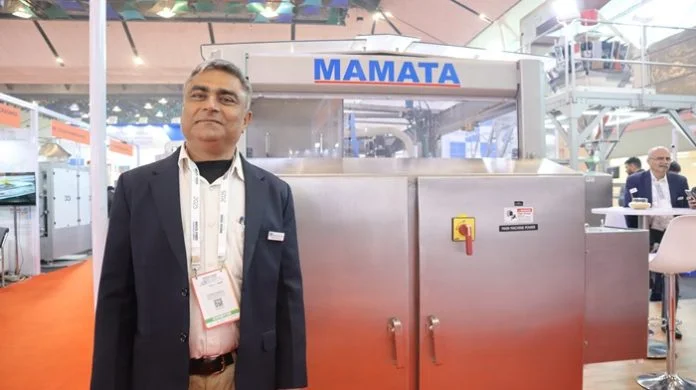
The vote of thanks was delivered by Shri Rajashekar Venkat, President, Mamta Machinery Ltd., who expressed gratitude to the dignitaries, partners, exhibitors and participants for their support in making the inauguration of Indusfood Manufacturing 2026 and FoodTech 4.0 a success.
The inauguration ceremony concluded with the ceremonial lighting of the lamp by the dignitaries, followed by the ribbon cutting, officially inaugurating Indusfood Manufacturing 2026 and FoodTech 4.0 at Yashobhoomi, IICC, New Delhi.
Over the coming days, Indusfood Manufacturing 2026 and FoodTech 4.0 will bring together technology, policy and industry through live showcases, conferences and business interactions, reinforcing India’s commitment to a future-ready, sustainable and export-oriented food manufacturing ecosystem under the vision of Viksit Bharat 2047.
Indusfood Manufacturing 2026 & FoodTech 4.0 Opens at Yashobhoomi
20th April, 2026 ∙
Indusfood Manufacturing 2026 & FoodTech 4.0 Opens at Yashobhoomi
“Value Addition and Technology Adoption Are Key to Jobs, Farmers’ Incomes and Exports,” Says Secretary, MoFPI
Posted On: 06 JAN 2026 6:58PM by PIB Delhi
Indusfood Manufacturing 2026, along with FoodTech 4.0, commenced at Yashobhoomi, IICC, New Delhi on 6 January 2026, marking the launch of an important platform dedicated to food processing, packaging, automation, and manufacturing technologies. Organised by the Trade Promotion Council of India (TPCI), the platform brings together stakeholders across the food processing value chain, including technology providers, manufacturers, policymakers, and global partners.
The event was inaugurated by Shri Avinash Joshi, Secretary, Ministry of Food Processing Industries (MoFPI), Government of India. In his address, he highlighted India’s surplus agricultural production, strong manufacturing base, and young, skilled workforce, and underlined the need to further strengthen food processing through value addition, quality enhancement, and technology adoption. “India today has surplus agricultural production, a strong manufacturing base and a young, skilled workforce. The opportunity before us is to further strengthen food processing through value addition, quality enhancement and technology adoption so that we create employment, increase farmers’ incomes and expand exports. Platforms such as Indusfood Manufacturing play a crucial role in translating this potential into tangible outcomes,” he said.
The inauguration was attended by Shri Mohit Singla, Chairman, Trade Promotion Council of India; Shri Yashvir Singh, Economic Adviser, Agriculture SMD, Department of Commerce; Mr. Volker Klima, Head of Agriculture & Food Division, Embassy of the Federal Republic of Germany; Shri Vikram Mulmule, Regional Sales Head, JBT Marel, USA; Shri Vikas Kanungo, Senior AI & Digital Transformation Expert, The World Bank Group; Shri Rajashekar Venkat, President, Mamta Machinery Ltd.; and Shri Sunil Mehta, President, Automation Industries Association.
Over the coming days, Indusfood Manufacturing 2026 and FoodTech 4.0 will bring together technology, policy, and industry through live showcases, conferences, and business interactions, reinforcing India’s commitment to a future-ready, sustainable, and export-oriented food manufacturing ecosystem under the vision of Viksit Bharat 2047.
Indusfood Manufacturing 2026 & FoodTech 4.0 Opens at Yashobhoomi
20th April, 2026 ∙
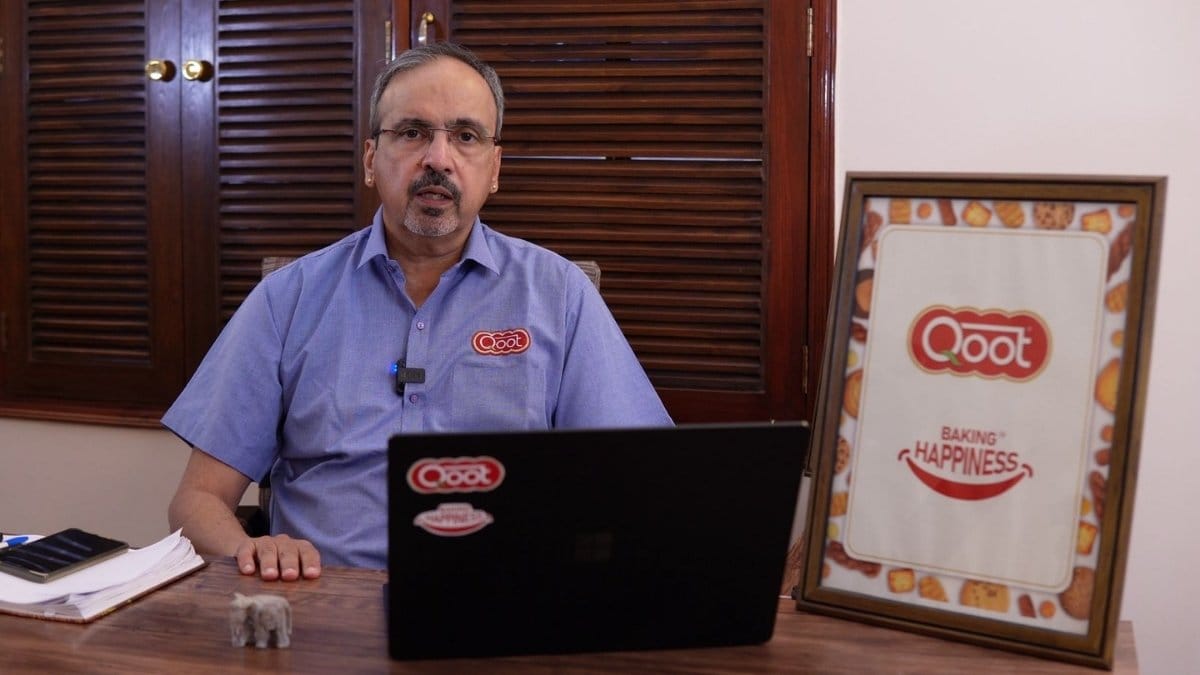
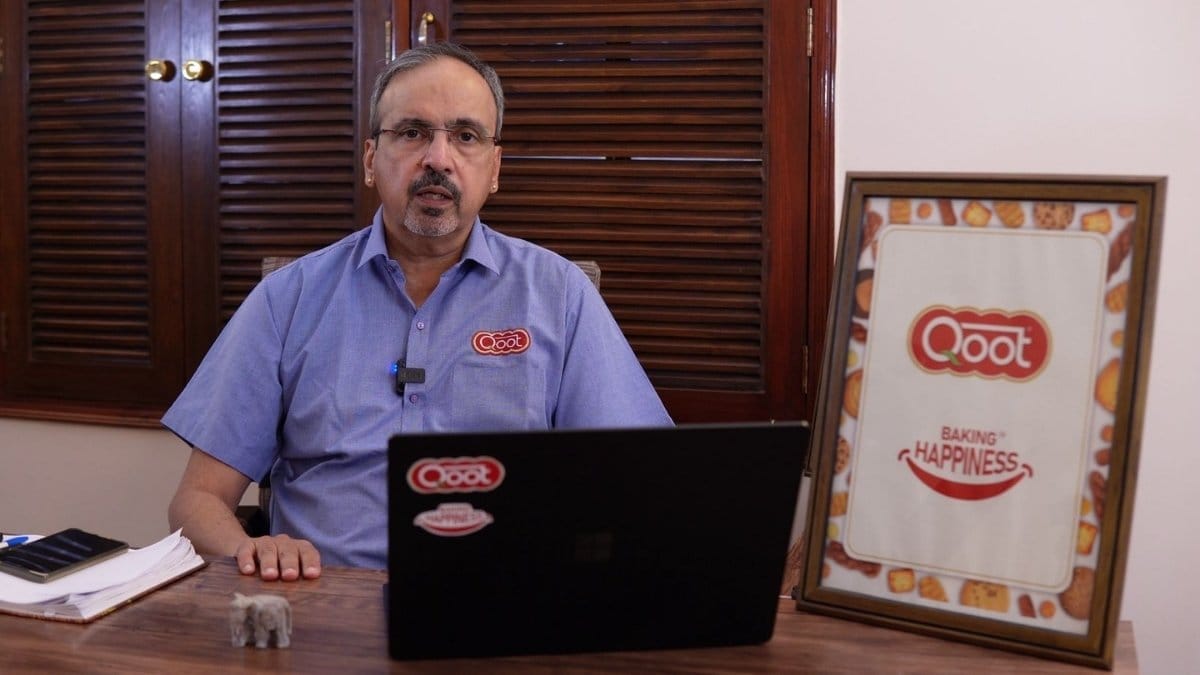
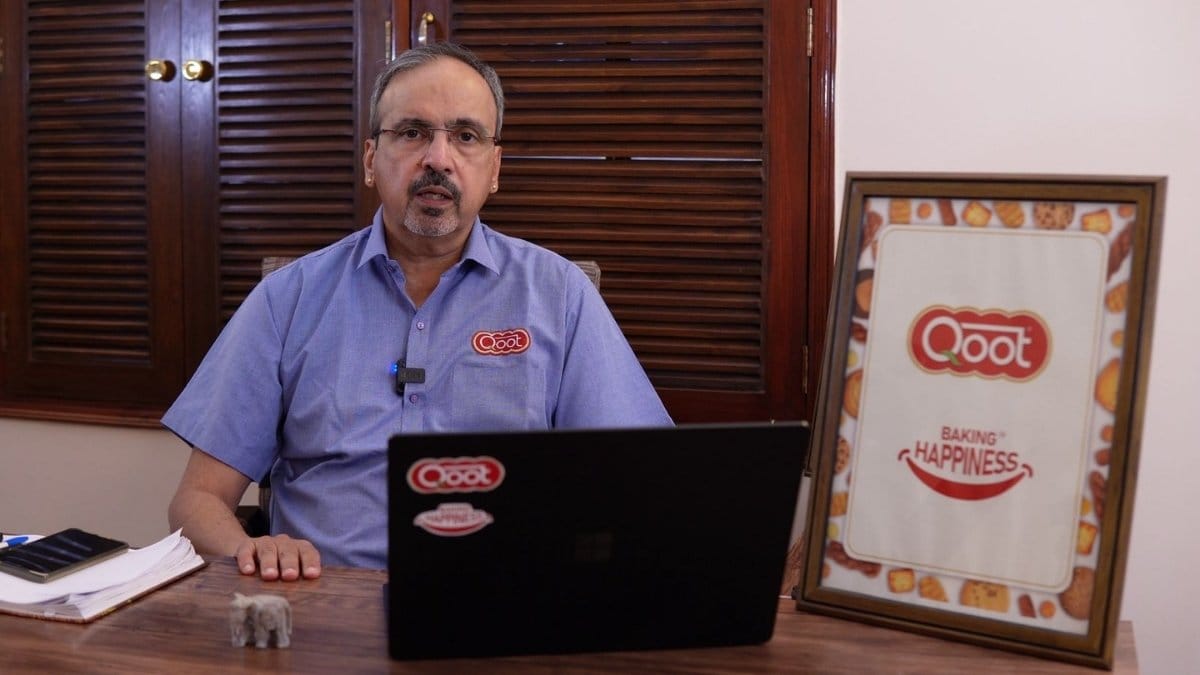
Qoot Food’s Ravi Somani to Lead Sustainability Dialogue at Indusfood Manufacturing 2026
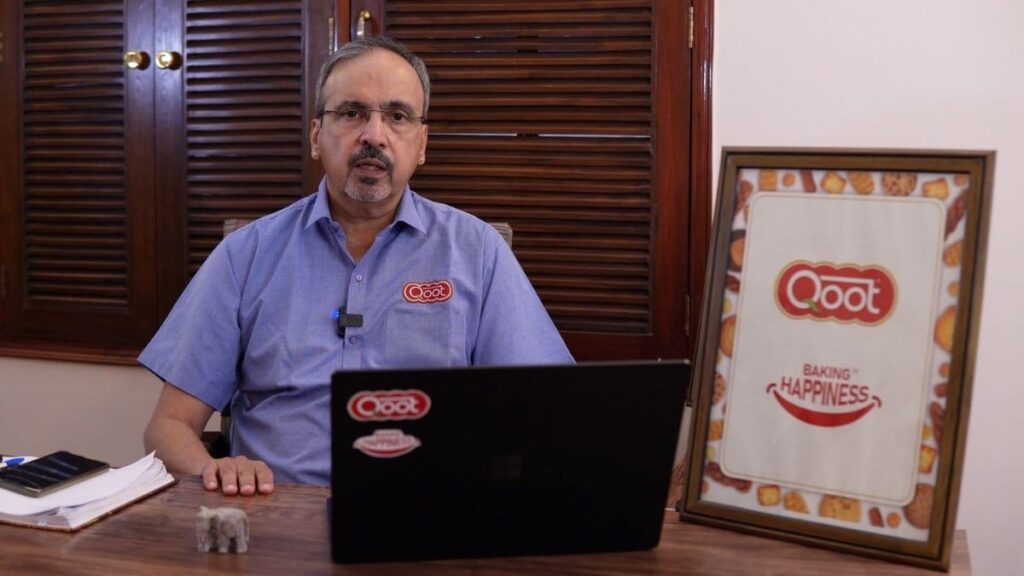
Ravi Somani, Founder of Qoot Food Limited
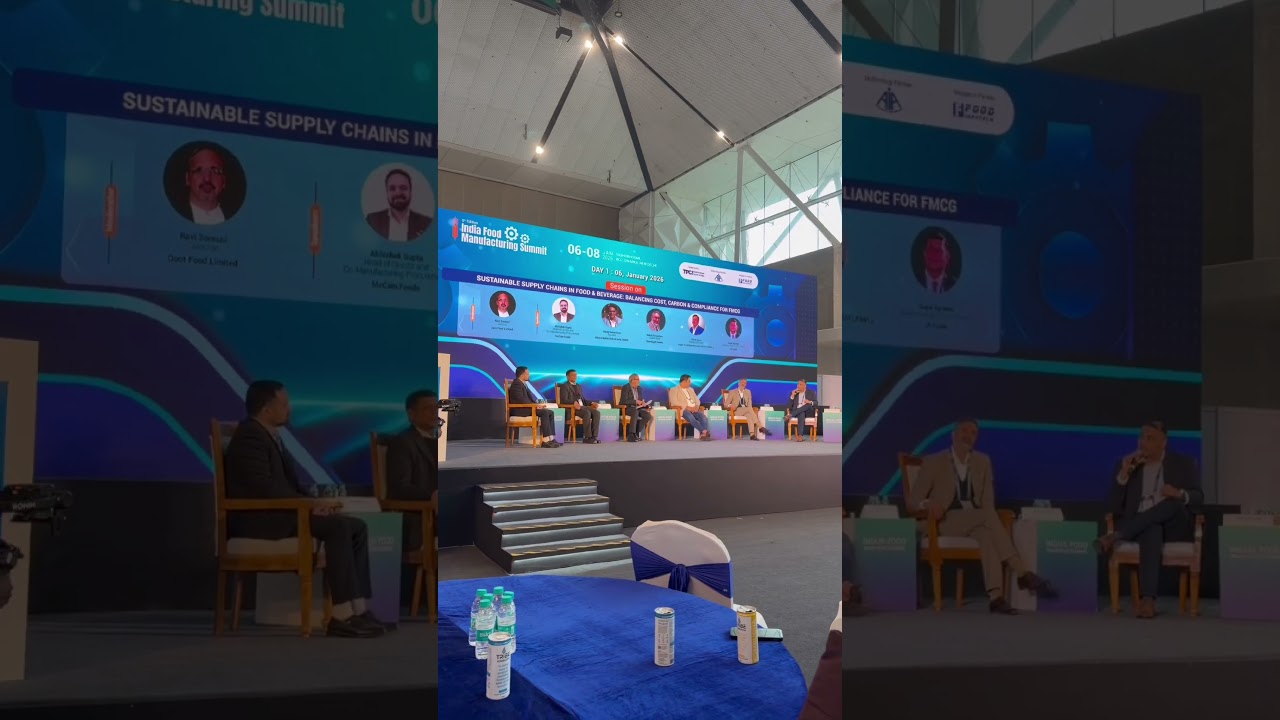
New Delhi [India], January 5: Ravi Somani, Founder of Qoot Food Limited, has been invited by the Trade Promotion Council of India (TPCI) to moderate a key panel discussion at Indusfood Manufacturing 2026, scheduled to be held at Yashobhoomi, New Delhi.
The panel session, titled “Sustainable Supply Chains in F&B: Balancing Cost, Carbon & Compliance for FMCG,” will take place on Tuesday, January 6, 2026, as part of Session 2 of the conference agenda. The discussion will bring together senior leaders from across the food and beverage ecosystem to examine how FMCG companies can build resilient, compliant, and environmentally responsible supply chains without compromising on cost efficiency.
The session will focus on key industry challenges, including rising compliance requirements, carbon footprint reduction, supply-chain transparency, cost pressures in food manufacturing, and the role of technology and process innovation in achieving sustainability goals. With global buyers and regulators increasingly demanding traceability, food safety, and ESG accountability, the topic is expected to resonate strongly with manufacturers, exporters, and FMCG brands.
Ravi’s selection as moderator reflects his deep, hands-on experience in food manufacturing and supply-chain operations. As the founder of Qoot Food Limited—a ZED Gold-certified, ISO 22000 (FSMS) compliant and FDA-registered food manufacturing company—he has worked closely with national and international brands to develop scalable, compliant, and sustainable food production systems.
Speaking on the invitation, Ravi Somani said,
“Sustainability in food manufacturing is no longer a choice—it is a business imperative. The challenge today is not just reducing carbon footprints, but doing so while maintaining cost efficiency and meeting increasingly complex compliance standards. I look forward to moderating this discussion and learning from diverse perspectives across the FMCG and food manufacturing ecosystem.”
Indusfood Manufacturing 2026, organised by TPCI, is one of India’s leading platforms for showcasing advancements in food processing, manufacturing technologies, packaging, supply-chain solutions, and sustainability-led innovations. The event brings together policymakers, industry leaders, manufacturers, exporters, and global buyers, positioning India as a competitive and responsible food manufacturing hub.
Ravi’s participation further underscores the growing role of Indian MSME manufacturers in shaping national and global conversations around sustainable food systems, compliance-led growth, and future-ready supply chains.
Indusfood Manufacturing 2026 & FoodTech 4.0 Opens at Yashobhoomi
20th April, 2026 ∙
Indusfood Manufacturing 2026 Launches in New Delhi
On January 6, 2026, the Indusfood Manufacturing 2026 event, paired with FoodTech 4.0, kicked off at Yashobhoomi, IICC in New Delhi. This significant platform is dedicated to showcasing advancements in food processing, packaging, automation, and manufacturing technologies. Organized by the Trade Promotion Council of India (TPCI), the event serves as a vital meeting point for various stakeholders within the food processing value chain, including technology providers, manufacturers, policymakers, and global partners.
Inauguration Speaks to Agricultural Strength
The event was officially inaugurated by Shri Avinash Joshi, Secretary of the Ministry of Food Processing Industries (MoFPI), Government of India. During his address, Shri Joshi emphasized India’s robust agricultural production, substantial manufacturing capabilities, and its young, skilled workforce. He called for further enhancements in food processing, focusing on adding value, improving quality, and embracing new technologies. “India today has surplus agricultural production, a strong manufacturing base and a young, skilled workforce. The opportunity before us is to further strengthen food processing through value addition, quality enhancement and technology adoption so that we create employment, increase farmers’ incomes and expand exports,” he stated. He noted that platforms like Indusfood Manufacturing are crucial in realizing India’s extensive potential.Geographic Reference
Diverse Attendance Highlights Global Commitment
The inauguration attracted a diverse group of distinguished guests, including Shri Mohit Singla, Chairman of TPCI; Shri Yashvir Singh, Economic Adviser at Agriculture SMD in the Department of Commerce; Mr. Volker Klima, Head of Agriculture & Food Division at the German Embassy; and representatives from various global companies and organizations, including JBT Marel and The World Bank Group. Their presence underscores the international interest in India’s food manufacturing sector.
 EXHIBITOR'S HUB
 BOOK YOUR BOOTH
 DOWNLOAD EXHIBITOR'S KIT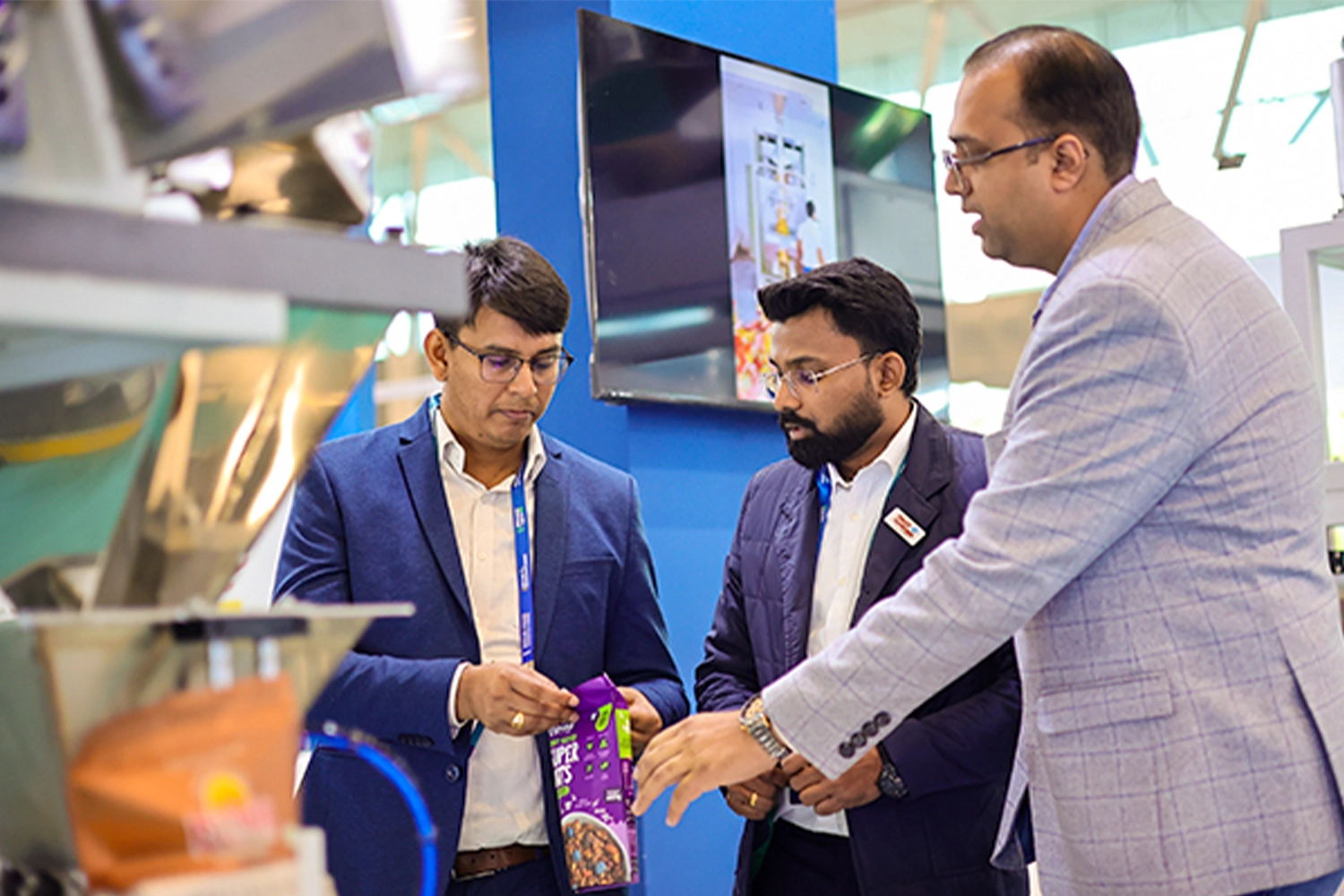


 SPONSORSHIP OPPORTUNITIES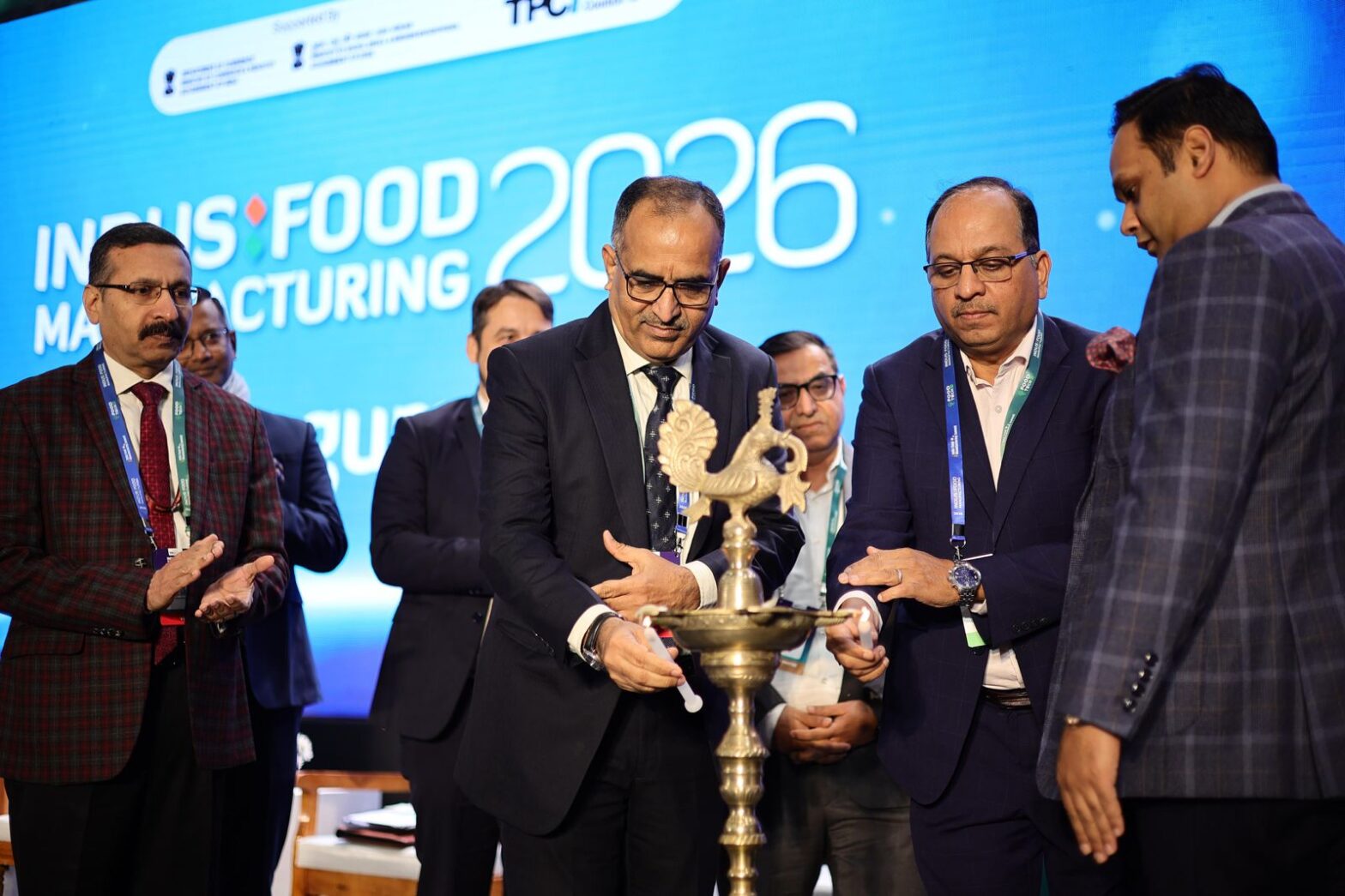









 Book a Stand
 CONTACT EXHIBITOR SERVICES
 SHARE
SHARE VISIT WEBSITE
 DOWNLOAD BROCHURE






3V24.jpeg)
R32A.jpeg)